The French Charcuterie Board: The Art of Balancing Sweet, Salty, and Tangy

The French Charcuterie Board: The Art of Balancing Sweet, Salty, and Tangy
A French charcuterie board is more than just an assortment of meats, cheeses, and bread—it’s a sensory experience where flavor, aroma, and texture come together in perfect harmony. For centuries, the French have mastered the art of composing boards that please both the palate and the eye. The secret lies in balance: between sweet and salty, soft and crisp, mild and bold. Here’s how you can create your own French-inspired charcuterie board that will impress guests and delight your taste buds.
The Essentials: Cheese, Charcuterie, and Bread
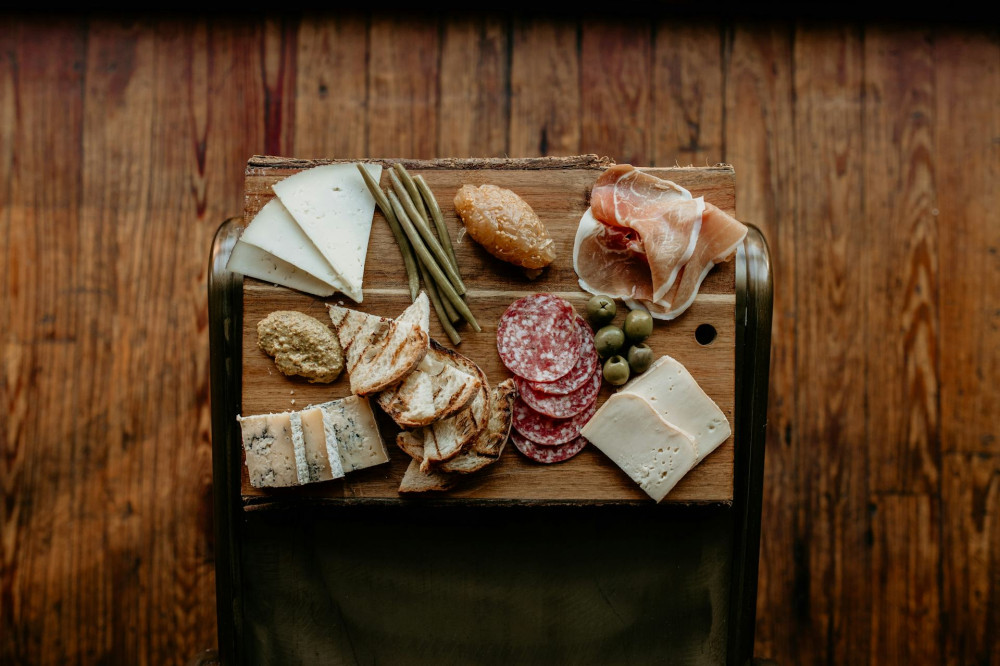
A classic French board begins with three main components: cheese, charcuterie, and bread.
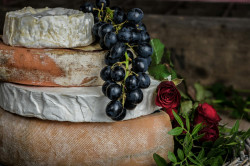
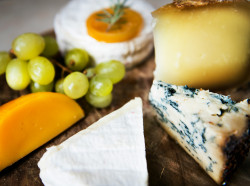
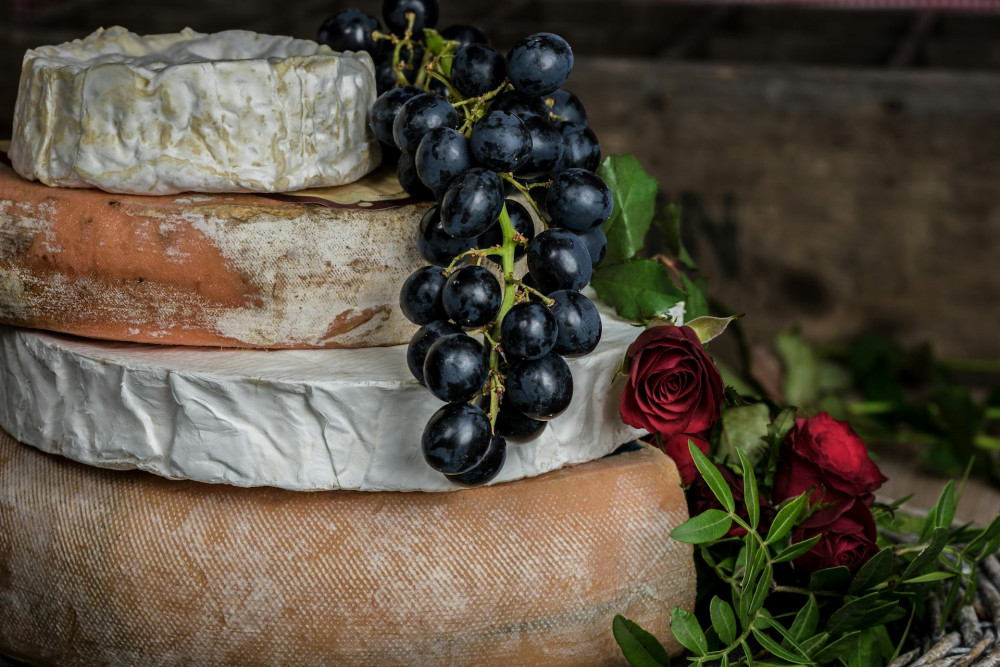
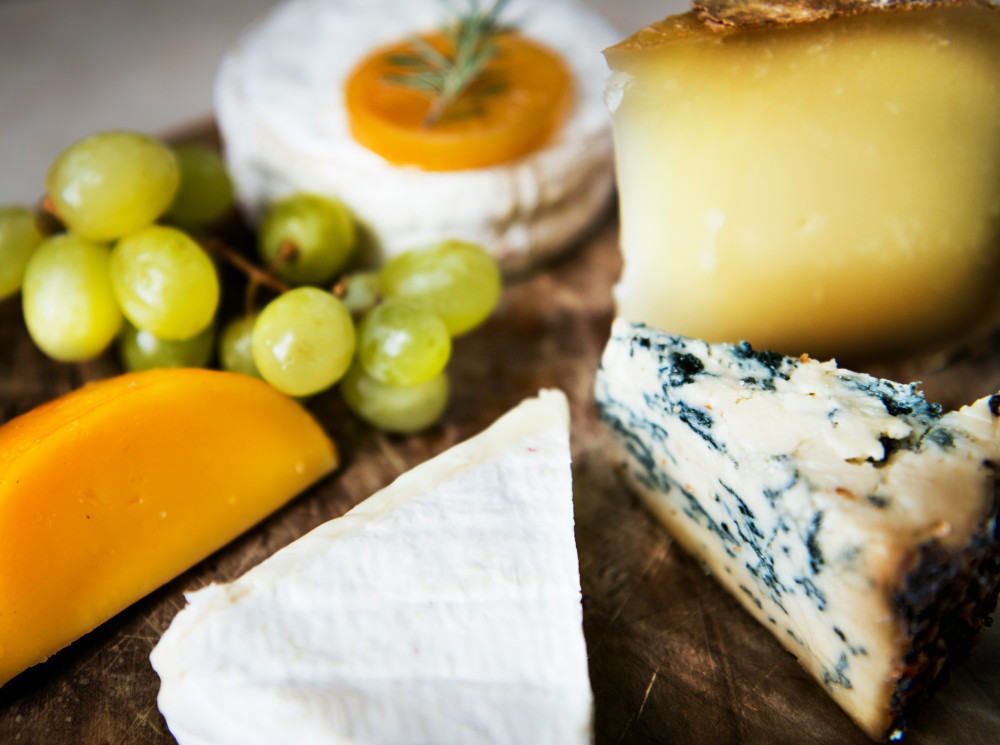
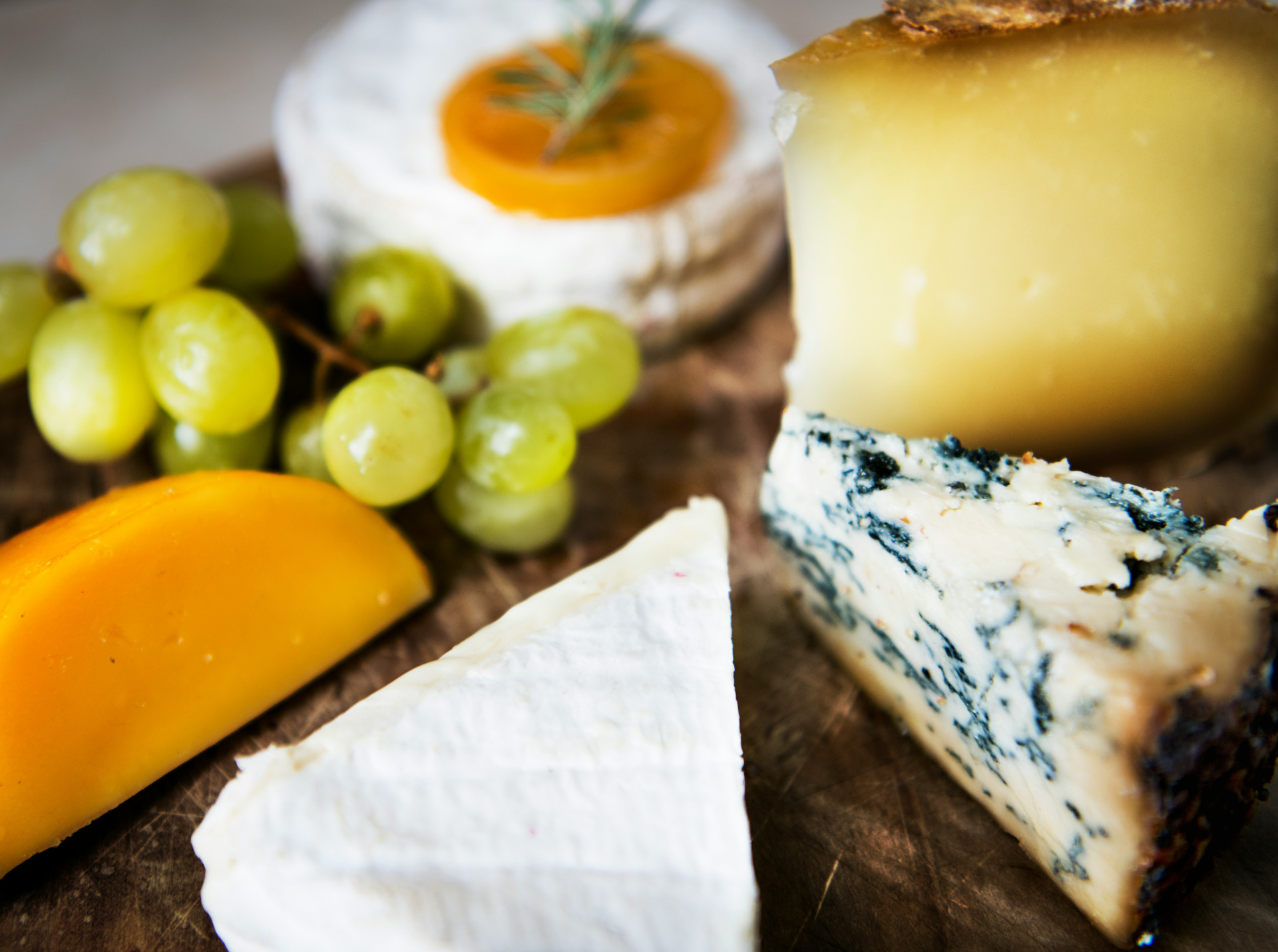
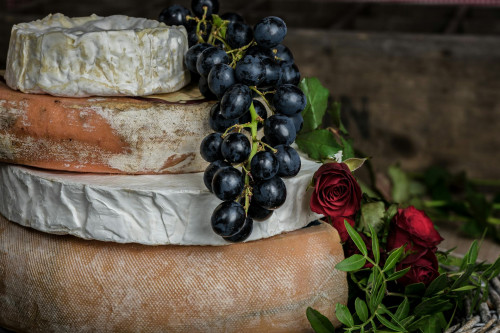
- Cheese is the heart of any French board. Choose three to five varieties that showcase different textures and flavor profiles. A creamy Brie de Meaux, a sharp Roquefort, and a nutty Comté make a well-rounded trio.
- Charcuterie—the cured meats—adds saltiness and umami depth. Try thin slices of saucisson sec, jambon de Bayonne, or rillettes de canard for an authentic French touch.
- Bread serves as the foundation and contrast. A freshly baked baguette is essential, but you can also include crisp crackers or a rustic country loaf for variety.
Læs også:
Balancing Sweet, Salty, and Tangy
What separates a good board from a great one is the ability to create balance. The French think in contrasts—both in flavor and texture.
- Sweet: Fruit and preserves bring freshness and round out the salty elements. Try figs, grapes, pears, or a spoonful of fig jam. Honey is also a classic pairing, especially with blue cheese.
- Salty: The saltiness naturally comes from the cheese and charcuterie, but you can enhance it with olives, salted almonds, or tiny cornichons.
- Tangy: Acidity cuts through richness and keeps the palate refreshed. Pickled onions, capers, or a drizzle of apple cider vinegar dressing can work wonders.
When assembling your board, think about how each bite can combine several of these elements—for example, a slice of Comté with a touch of honey and a piece of pear, or a bit of rillettes on baguette topped with a pickled cucumber.
Colors, Shapes, and Presentation
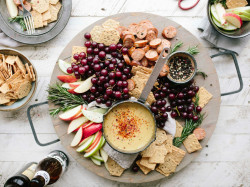
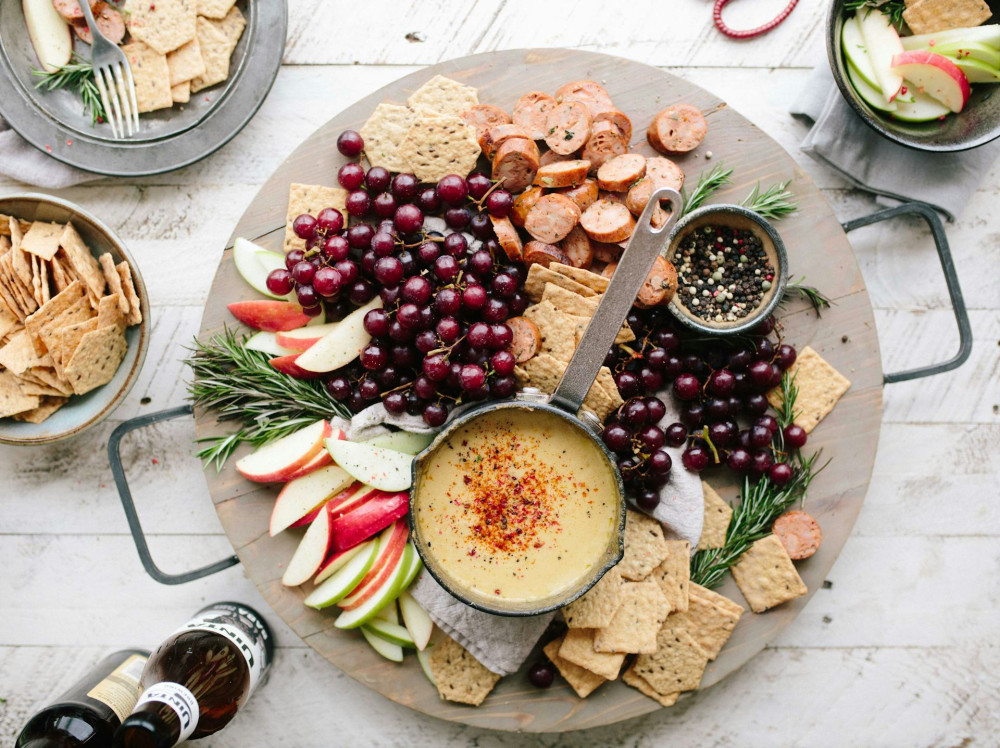
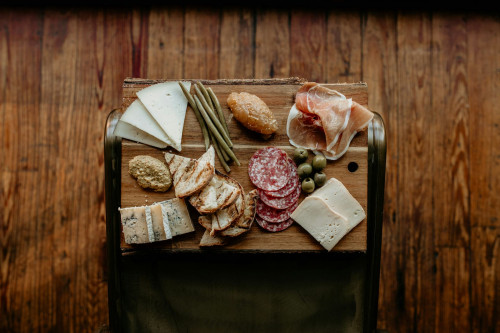
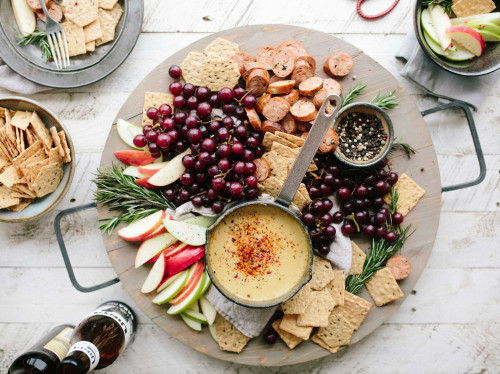
A French charcuterie board should be as beautiful as it is delicious. Arrange cheeses in different shapes—wedges, cubes, or small rounds. Loosely fold slices of ham, and cluster fruits naturally.
Use a wooden board or slate platter as your base, and let the colors play together: the white of the Brie, the blue of the Roquefort, the red of the cured meats, and the green of the olives. A sprinkle of fresh herbs like thyme or rosemary adds a fragrant, elegant finish.
Drinks That Complete the Experience
No French charcuterie experience is complete without the right drink.
- For soft and creamy cheeses, a crisp white wine such as Sancerre or Chablis is ideal.
- For stronger, aged cheeses, choose a structured red like Côtes du Rhône or Bordeaux.
- If you prefer something lighter, a dry cider from Normandy or a glass of Champagne makes a refreshing choice.
The key is to let the drink complement the flavors—not overpower them.
The Little Details That Make a Difference
A French charcuterie board is also about atmosphere. Serve everything at room temperature so the cheeses can fully express their aromas. Encourage guests to take their time, mix and match, and discover new favorite combinations.
Add a few small surprises: a piece of dark chocolate at the end, a handful of candied nuts, or a homemade chutney. These thoughtful touches make the experience personal—and unmistakably French.
A Celebration of Simplicity and the Senses
At its core, the French charcuterie board is a celebration of simplicity and quality. It’s not about excess, but about letting each ingredient shine. When sweet, salty, and tangy come together in balance, you capture a bit of what the French call l’art de vivre—the art of living well.
Læs også: