Beer and Other Drinks in Harmony: How to Find Balance in Flavor

Beer and Other Drinks in Harmony: How to Find Balance in Flavor
Enjoying a good beer isn’t just about what’s in the glass—it’s about the full experience: how flavor, aroma, temperature, and even the food on your plate come together. In a country where craft breweries, natural wines, and alcohol-free options are thriving, finding balance in flavor has become an art form. Here’s how to pair beer and other drinks so they complement each other—and your enjoyment.
Flavor as a Conversation, Not a Competition
Harmony in flavor is all about balance—between sweetness, acidity, bitterness, salt, and umami. A drink shouldn’t overpower your food, but rather highlight its character. The same goes for mixing different beverages throughout a meal or an evening.
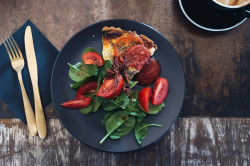
A heavy stout can feel overwhelming with a light salad, while a crisp lager might get lost next to a rich stew. The key is to match intensity and find contrasts that complement rather than clash.
A few guiding principles:
- Match strength with strength – light dishes with light drinks, hearty dishes with full-bodied ones.
- Create contrast – a tart drink can cut through rich food, while a touch of sweetness can soften spicy flavors.
- Follow the season – bright, refreshing drinks in summer; deeper, rounder flavors in winter.
Beer as a Partner—More Than Just Bitterness
Beer is far more versatile than many realize. From citrusy IPAs to roasted porters and tangy sours, there’s a beer for nearly every dish.
- Light beers like pilsners and wheat ales pair beautifully with seafood, salads, and lighter fare. They cleanse the palate and enhance freshness.
- Dark beers such as porters and stouts complement grilled meats, chocolate desserts, and dishes with caramel or coffee notes.
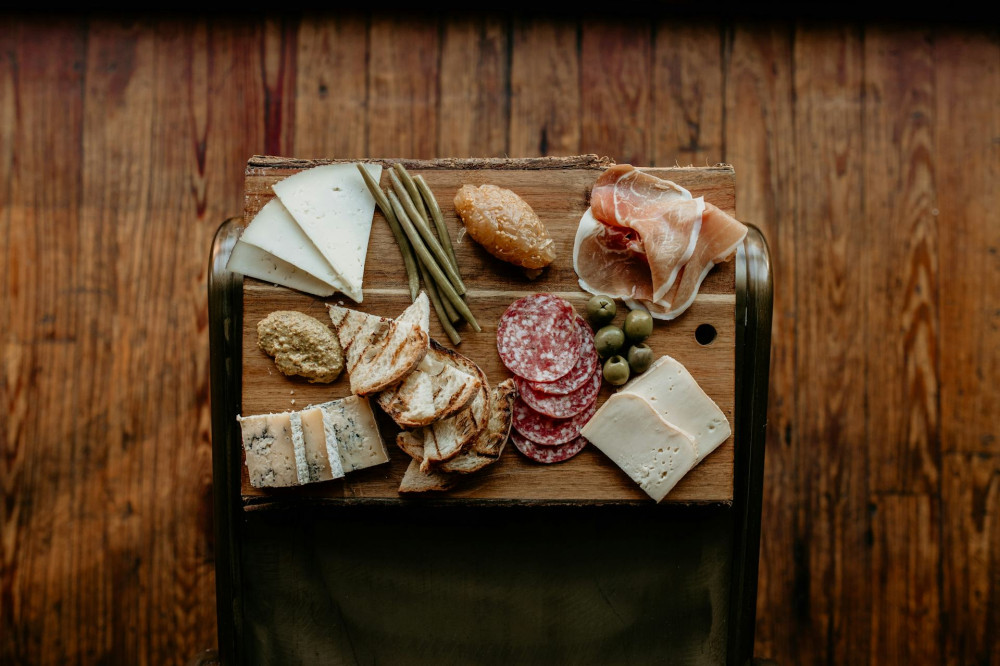
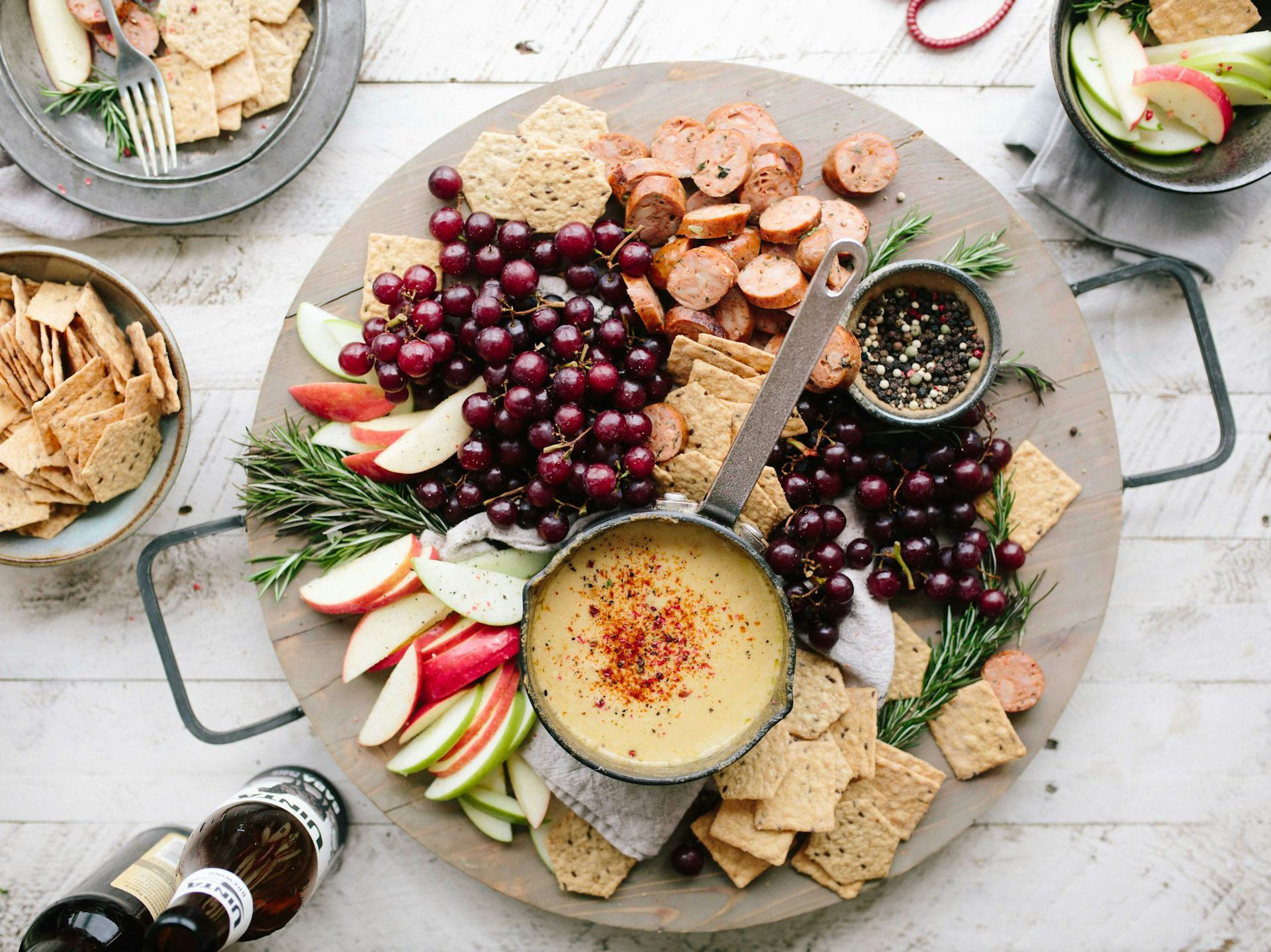
- Sour beers like gose or Berliner weisse bring a lively contrast to rich foods like cheese or pork.
When tasting, notice how carbonation, sweetness, and bitterness interact with your food. A great pairing feels like a conversation between flavors—not an argument.
Wine, Cider, and Alcohol-Free Options
While beer often takes center stage, other drinks can create just as much harmony.
- Cider, with its natural acidity and fruitiness, pairs wonderfully with cheese, pork, or dishes featuring apples or onions.
- Natural and orange wines offer complex aromas that can echo the depth of certain beers, making them great with fermented or spicy foods.
- Alcohol-free beers and mocktails have evolved far beyond bland substitutes. They bring freshness and balance, especially when you want a lighter experience.
The key is to think in terms of flavor profiles, not alcohol content. A well-chosen nonalcoholic drink can be just as refined as a wine pairing.
Læs også:
Temperature, Glassware, and Serving
Even the best drink can lose its charm if served incorrectly. Beer should generally be served cooler than wine—but not ice-cold, as too low a temperature mutes the aromas.
Use glassware that suits the drink: a tulip glass for aromatic beers, a tall narrow glass for lagers, and a wide glass for dark ales. Give the aroma room to breathe—half of taste comes from smell.
If you’re serving multiple drinks during a meal, start with the lighter ones and move toward the heavier. It creates a natural progression and keeps your palate fresh.
Create Your Own Flavor Journey
Finding balance in flavor isn’t about strict rules—it’s about curiosity. Experiment and don’t be afraid to try new combinations.
Host a small tasting at home: pick three different beer styles and pair them with the same dish. Note how the flavors shift. You’ll quickly see how small differences in sweetness, acidity, or carbonation can transform the overall impression.
Invite friends or family to join in—it’s both fun and enlightening to share the experience and discuss what works best.
Enjoyment with Intention
Balance isn’t just about flavor—it’s also about moderation. Beer and wine are meant to be savored, and they taste best when enjoyed mindfully.
More people today are mixing alcoholic and nonalcoholic drinks throughout an evening—a trend that allows for both flavor and well-being. It’s not about abstaining, but about awareness.
When you learn to taste with attention, you’ll find that less can truly be more—and that pleasure grows when you take your time.
Læs også: