From Preservation to Culinary Art: The Flavorful Journey of Charcuterie

From Preservation to Culinary Art: The Flavorful Journey of Charcuterie
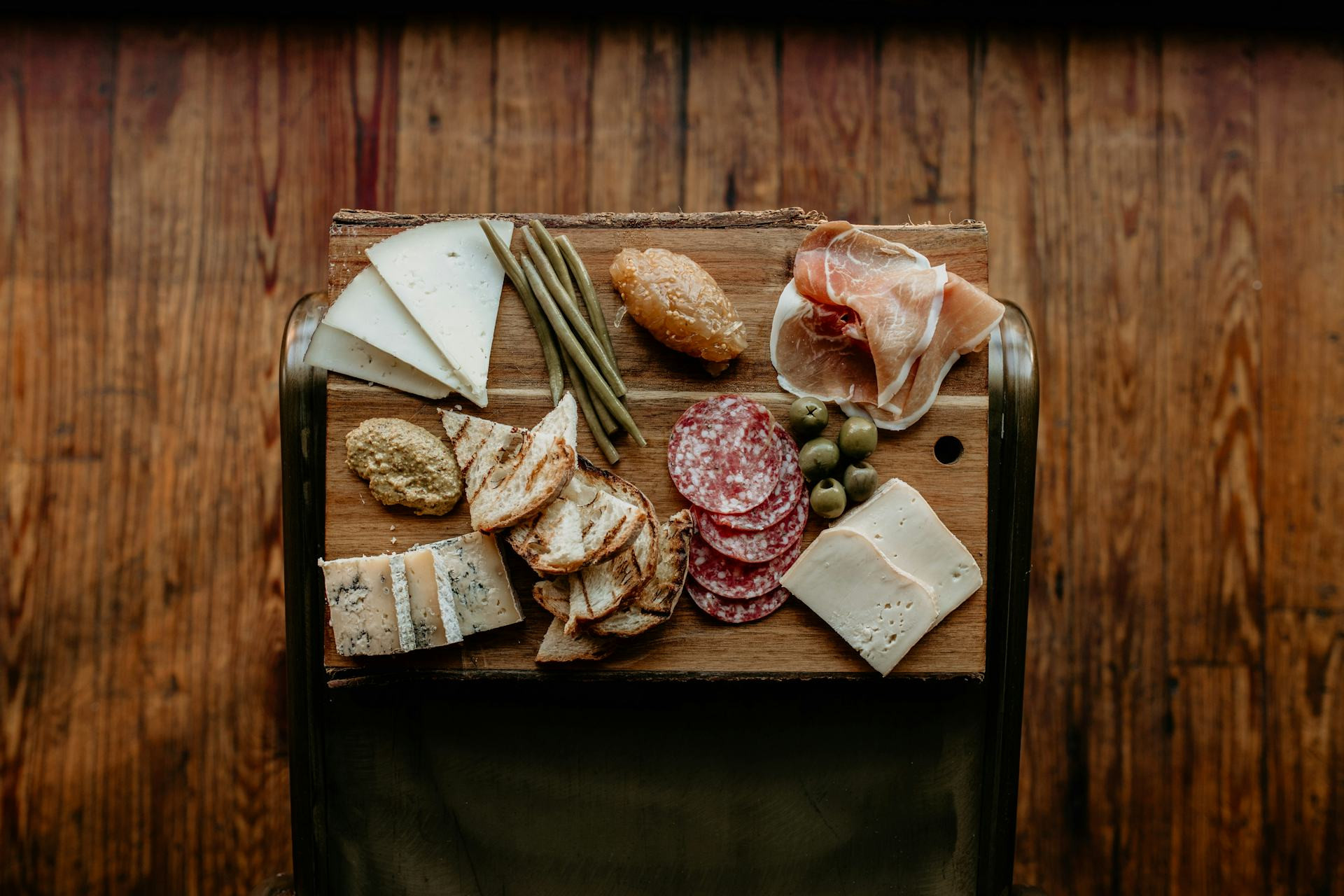
Today, charcuterie is synonymous with indulgence, craftsmanship, and the art of sharing good food. Beautifully arranged boards of cured meats, cheeses, and accompaniments have become a staple at gatherings across the United States. Yet behind every slice of prosciutto or salami lies a story that began long before charcuterie became a culinary trend—a story rooted in survival, tradition, and the timeless pursuit of flavor.
From Necessity to Tradition
Long before refrigeration, preserving meat was essential for survival. Salting, smoking, and drying were practical methods that allowed communities to store food through harsh winters or long journeys. Over time, these preservation techniques evolved into a refined craft, particularly in Europe, where charcuterie became both a necessity and an art form.
The word charcuterie comes from the French chair (meat) and cuit (cooked), referring to the butcher’s skill in transforming raw meat into preserved delicacies such as sausages, pâtés, and hams. Each region developed its own specialties—Spain’s spicy chorizo, Italy’s silky prosciutto, France’s rustic terrines—each shaped by local climate, ingredients, and culture.
Craftsmanship and Patience
Charcuterie is a discipline that rewards patience and precision. The process is slow, often taking weeks or even years, and depends on careful control of temperature, humidity, and time. A dry-cured ham, for instance, may hang for more than a year before it reaches its perfect texture and flavor.
Salt and spices are the foundation of the craft. Salt draws moisture from the meat, creating an environment inhospitable to bacteria, while herbs, pepper, and garlic add layers of aroma. As the meat cures, complex flavors develop—deep, savory, and subtly sweet—reflecting the alchemy of time and technique.
Today, many artisans continue to honor traditional methods passed down through generations. At the same time, modern food science and technology have refined the process, ensuring safety and consistency without sacrificing authenticity. The result is a balance between heritage and innovation.
Læs også:
A Taste of Culture and Place
Charcuterie is more than preserved meat—it’s a reflection of culture and geography. Each product tells a story about the land and the people who made it. Italian prosciutto di Parma speaks of the region’s gentle climate and centuries-old curing traditions, while French saucisson sec embodies the country’s devotion to terroir and local craftsmanship.
In the United States, charcuterie has found new life through the lens of American creativity. From Southern smokehouses producing hams with deep, molasses-like sweetness to small-batch producers in California experimenting with local wines and herbs, American charcuterie is both a tribute to Old World methods and a celebration of regional identity. The growing emphasis on sustainable farming and whole-animal butchery has also inspired a new generation of makers who value transparency and respect for the ingredient.
From Butcher Shop to Gourmet Board
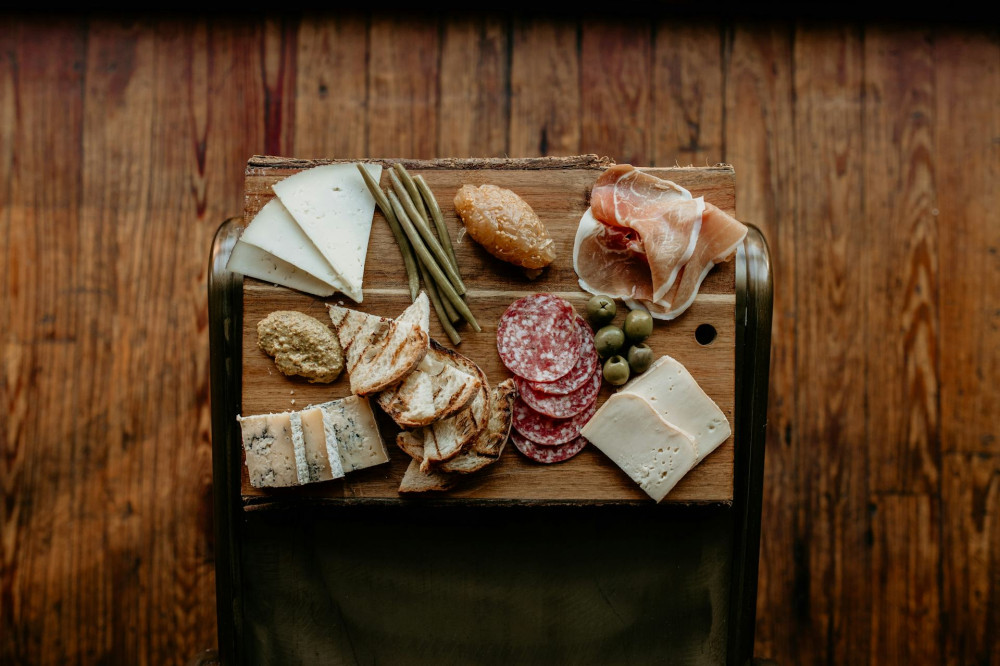
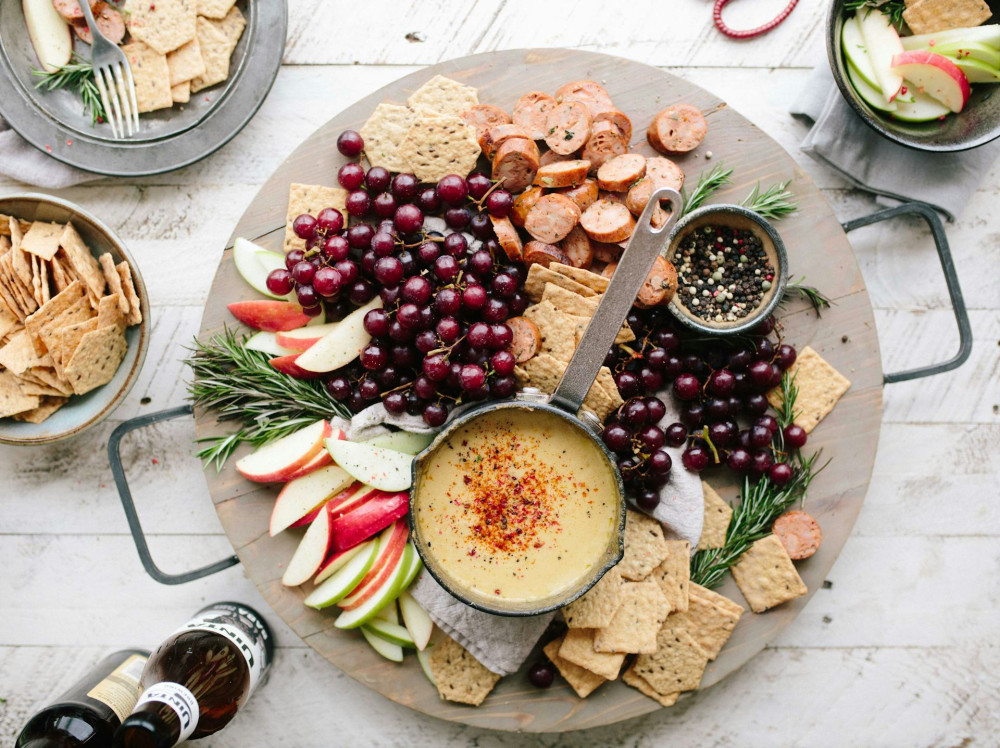
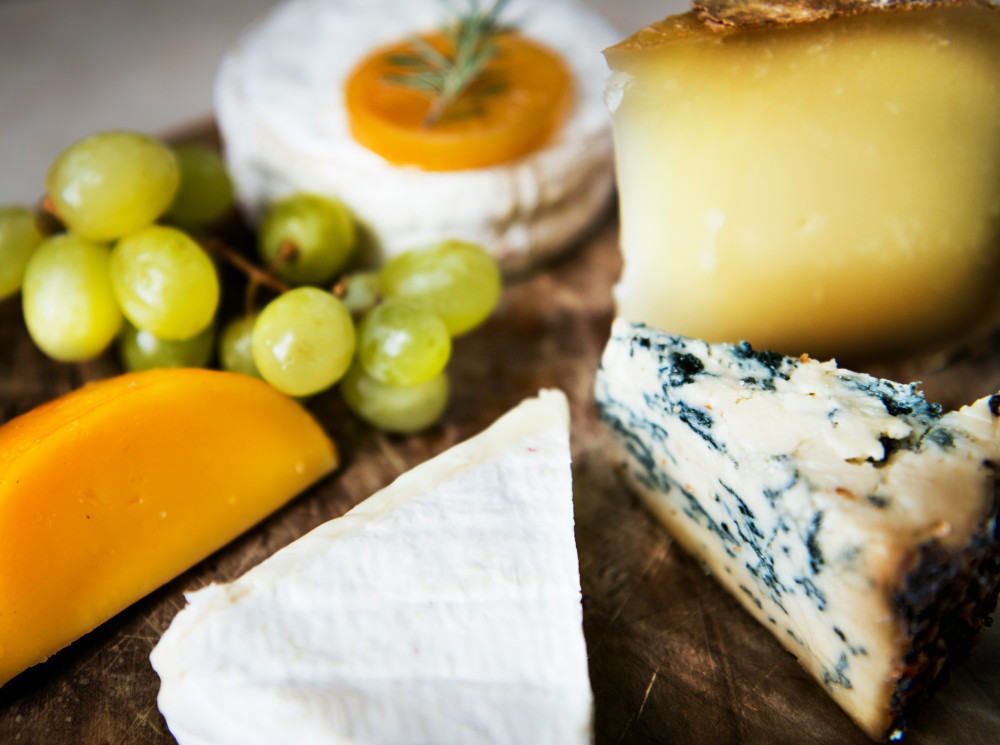
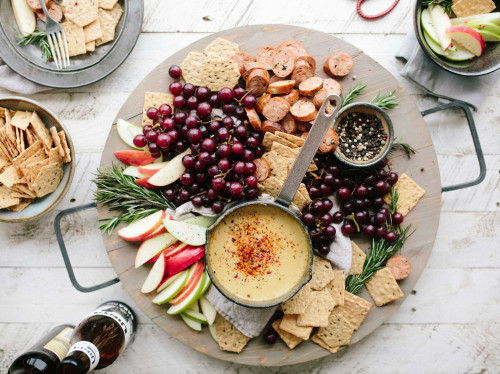
Once a practical way to preserve meat, charcuterie has become a centerpiece of modern dining. In restaurants and homes alike, charcuterie boards are curated with an eye for color, texture, and balance—pairing cured meats with cheeses, pickles, nuts, and artisan breads. The interplay of salt, fat, and umami makes charcuterie a perfect companion to wine, beer, or even craft cocktails.
The do-it-yourself movement has also embraced charcuterie. Home cooks and food enthusiasts are experimenting with curing their own bacon, sausages, and duck prosciutto, often guided by traditional techniques but aided by modern equipment and knowledge. It’s a hands-on way to connect with food, appreciate the time it takes, and rediscover the satisfaction of making something from scratch.
A Taste of the Past and the Future
The journey of charcuterie—from a means of preservation to a form of culinary expression—illustrates how necessity can evolve into artistry. What once ensured survival now celebrates flavor, patience, and craftsmanship.
In an age where people seek authenticity and sustainability in what they eat, charcuterie stands as a symbol of respect for both tradition and time. Each slice tells a story—of heritage, of human ingenuity, and of the enduring desire to transform the simple into the sublime.
Læs også: