How to make healthy and delicious meals in less than 30 minutes
This e-book offers quick recipes and easy methods for creating healthy meals, even when time is tight. Learn about ingredients that can make cooking both healthy and tasty without compromising on quality.
Free download

Store Food Properly and Prevent Waste – A Guide to Freshness and Shelf Life

Keep your groceries fresh longer and cut down on food waste with smart storage habits
Food
Food
2 min
Learn how to store food correctly to preserve taste, nutrition, and quality while saving money and reducing waste. This guide offers practical tips for using your fridge, freezer, and pantry more effectively to make your food last.
Reid Peña
Reid
Peña

Store Food Properly and Prevent Waste – A Guide to Freshness and Shelf Life

Keep your groceries fresh longer and cut down on food waste with smart storage habits
Food
Food
2 min
Learn how to store food correctly to preserve taste, nutrition, and quality while saving money and reducing waste. This guide offers practical tips for using your fridge, freezer, and pantry more effectively to make your food last.
Reid Peña
Reid
Peña

Every year, the average American household throws away hundreds of dollars’ worth of food—often because it spoiled before anyone had the chance to eat it. But much of that waste can be avoided with a few simple storage habits. Proper food storage isn’t just about keeping food safe; it’s also about preserving flavor, nutrition, and quality. Here’s a practical guide to help you store your groceries the right way and make them last longer.

Know Your Refrigerator – and Use It Wisely

Your refrigerator is the heart of your kitchen, but many people don’t take full advantage of how it’s designed. The ideal temperature is at or below 40°F, according to the USDA, and different areas inside the fridge serve different purposes.

  • Top shelf: The most consistent temperature—great for leftovers, dairy, and ready-to-eat foods.
  • Middle shelves: Ideal for deli meats, yogurt, and cheese.
  • Bottom shelf: The coldest area—best for raw meat, poultry, and fish (keep them sealed to prevent drips).
  • Crisper drawers: Slightly warmer and more humid—perfect for most fruits and vegetables.

Always let hot food cool slightly before refrigerating it. Putting hot dishes directly in the fridge can raise the overall temperature and encourage bacteria to grow.

Fruits and Vegetables – Not Everything Belongs in the Fridge

It’s a common misconception that all produce should be refrigerated. Some fruits and vegetables actually last longer and taste better at room temperature.

  • Refrigerate: Carrots, broccoli, leafy greens, berries, and apples (if you want them to last longer).
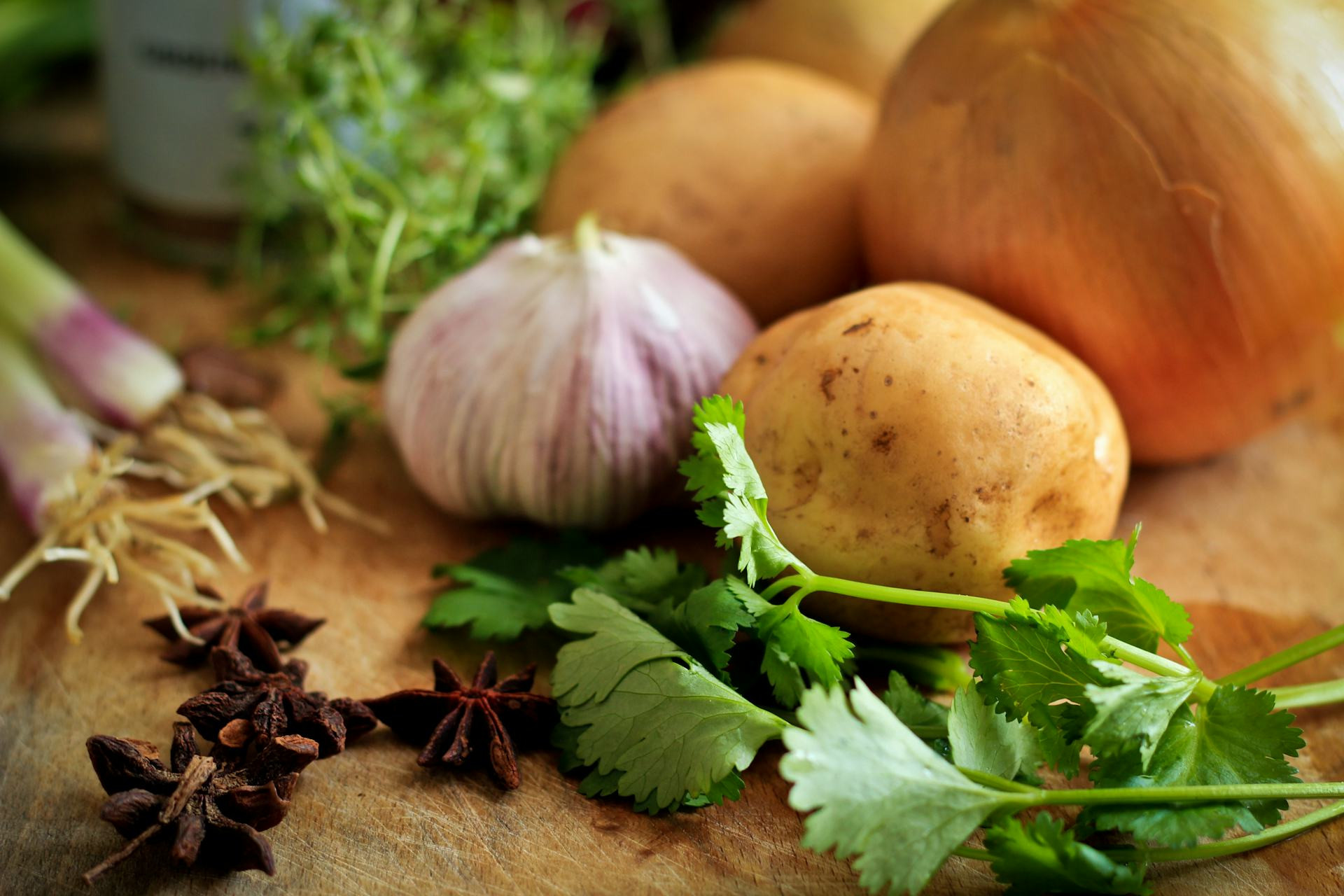
  • Room temperature: Tomatoes, bananas, citrus fruits, avocados, onions, and potatoes.

Keep fruits and vegetables separate when possible. Some fruits—especially apples, bananas, and avocados—release ethylene gas, which speeds up ripening and can cause nearby produce to spoil faster.

Freezing – Your Best Tool Against Food Waste

Your freezer can dramatically extend the life of your food. Most foods freeze well, but how you freeze them makes a big difference in quality.

  • Use airtight packaging—freezer bags or containers with tight lids work best.
  • Label everything with the date and contents.
  • Freeze in small portions so you can thaw only what you need.

Meat, bread, berries, and cooked meals freeze beautifully. However, watery vegetables like cucumbers and lettuce lose their texture when frozen, so enjoy those fresh.

A helpful tip: if you know you won’t eat leftovers within a couple of days, freeze them right away—don’t wait until they’re on the verge of spoiling.

Pantry Staples and Canned Goods – Keep It Cool and Dry

Dry goods like flour, rice, pasta, and oats have long shelf lives, but they still need proper storage. Keep them in a cool, dark, and dry place, and use airtight containers to protect against moisture and pests.

Canned and jarred foods can last for years, but check regularly for dents, rust, or broken seals—these can indicate that the contents are no longer safe to eat.

Follow the “first in, first out” rule: use older items before newer ones, and place new purchases behind what’s already there.

Understanding Date Labels

Many people toss food because they misunderstand the dates printed on packaging. In the U.S., there are two main types of labels:

  • “Use by” or “Expiration date” – found on perishable items like meat and dairy. These dates relate to food safety and should be taken seriously.
  • “Best if used by” – refers to quality, not safety. Many foods are still perfectly fine after this date if they look, smell, and taste normal.

Trust your senses: look, smell, and taste before you throw something away. Often, food is still good well past the printed date.

Leftovers and Meal Planning – Small Habits, Big Impact

A large portion of food waste happens because we cook too much or forget what’s in the fridge. A little planning can go a long way.

  • Make meal plans and shop with a list to avoid overbuying.
  • Get creative with leftovers—turn extra rice into fried rice, or use leftover vegetables in soups or omelets.
  • Create a “Eat Me First” shelf in your fridge for items that need to be used soon.

These small habits can save you money and reduce waste without much effort.

A Fresher, More Sustainable Kitchen

Storing food properly isn’t just about avoiding waste—it’s about getting the most out of what you buy. When you understand how to use your fridge, freezer, and pantry effectively, you’ll enjoy fresher meals, spend less, and throw away less.

It doesn’t take fancy equipment or major changes—just a bit of knowledge and a few mindful habits. Start today, and you’ll notice the difference in taste, savings, and sustainability.

The Italian Meal as a Gathering Point – How to Create the Italian Atmosphere at Home
Bring the warmth, flavors, and togetherness of Italy to your own dining table
Food
Food
Italian Cuisine
Home Dining
Food Culture
Entertaining
Lifestyle
6 min
Discover how to recreate the authentic Italian dining experience at home. From antipasti to dolce, learn how to set the mood, choose the right dishes, and embrace the Italian way of sharing food, conversation, and joy around the table.
Marco Swanson
Marco
Swanson
Health, Flavor, and Quality of Life: How to Find Your Balance in Everyday Life
Discover how to enjoy healthy living without giving up the pleasures that make life meaningful
Food
Food
Health
Wellness
Nutrition
Mindfulness
Lifestyle
7 min
Learn how to create a balanced lifestyle where nutritious choices, delicious food, and mental well-being coexist. This article explores practical ways to combine health, flavor, and happiness in your everyday routine—so you can feel good and live fully.
Logan Richards
Logan
Richards
Store Food Properly and Prevent Waste – A Guide to Freshness and Shelf Life
Keep your groceries fresh longer and cut down on food waste with smart storage habits
Food
Food
Food Storage
Food Waste
Sustainability
Kitchen Tips
Freshness
2 min
Learn how to store food correctly to preserve taste, nutrition, and quality while saving money and reducing waste. This guide offers practical tips for using your fridge, freezer, and pantry more effectively to make your food last.
Reid Peña
Reid
Peña
When the Senses Join the Meal: How Colors, Scents, and Textures Shape Our Dining Experience
Discover how sight, smell, and touch transform the way we taste and enjoy food
Food
Food
Food Experience
Sensory Dining
Taste Perception
Culinary Science
Home Cooking
5 min
Eating is more than just flavor—it’s a full sensory experience. Learn how colors, aromas, and textures influence your perception of taste and how you can use these insights to create more satisfying meals at home.
Abigail Green
Abigail
Green
Desserts That Impress: The Perfect Ending to a Memorable Dinner
Delight your guests with desserts that turn any dinner into an unforgettable experience
Food
Food
Desserts
Dinner Party
Cooking Tips
Entertaining
Recipes
5 min
Discover how to create desserts that impress without the need for professional skills. From timeless classics to seasonal inspirations, learn the secrets to ending your dinner on a high note with style, flavor, and ease.
Stella White
Stella
White
The Perfect Holiday Lunch Menu – How to Balance Formal and Casual
Make your holiday gathering shine with a menu that’s both elegant and easygoing
Catering
Catering
Holiday Menu
Entertaining
Food and Drink
Hosting Tips
Seasonal Recipes
4 min
Discover how to plan the perfect holiday lunch that blends sophistication with comfort. From setting the right atmosphere to choosing dishes and drinks that please every guest, this guide helps you create a festive meal that feels special yet relaxed.
Marco Swanson
Marco
Swanson
Picnic in Style: How to Choose the Best Takeout for Your Outing
Elevate your outdoor dining experience with the perfect takeout choices
Catering
Catering
Picnic
Takeout
Outdoor Dining
Food Tips
Summer
4 min
Planning a picnic doesn’t have to mean soggy sandwiches or last-minute stress. Discover how to choose takeout that’s tasty, travel-friendly, and perfectly suited to your setting — so you can relax, enjoy, and dine in style under the open sky.
Logan Richards
Logan
Richards
New Trends in Gourmet Catering You Should Know
Discover how innovation, sustainability, and storytelling are redefining the gourmet catering experience
Catering
Catering
Gourmet Catering
Food Trends
Event Planning
Sustainable Dining
Culinary Innovation
5 min
From eco-conscious menus to immersive dining experiences, gourmet catering is undergoing a creative transformation. Learn about the latest trends that are shaping how chefs, event planners, and hosts bring flavor, design, and technology together to create unforgettable events.
Reid Peña
Reid
Peña