When the Senses Join the Meal: How Colors, Scents, and Textures Shape Our Dining Experience


When the Senses Join the Meal: How Colors, Scents, and Textures Shape Our Dining Experience
When we sit down to eat, taste is only part of the story. Our senses work together in a complex dance that shapes how we experience food. What we see, smell, and feel can change how we perceive flavor—and even how hungry we feel. In this article, we’ll explore how sight, smell, and texture influence our meals, and how you can use them to make dining more enjoyable at home.
The Eye Eats First
The saying “we eat with our eyes first” is more than a cliché. Research shows that visual presentation strongly affects how we perceive taste. A dish that looks appealing sets up an expectation that it will taste good—and our brains often make that expectation come true.
Colors, in particular, can influence how we interpret flavor:
- Warm tones like red and orange are often linked to sweetness and comfort.
- Green hues suggest freshness and health.
- Blue and purple shades can suppress appetite, since they rarely appear naturally in food.
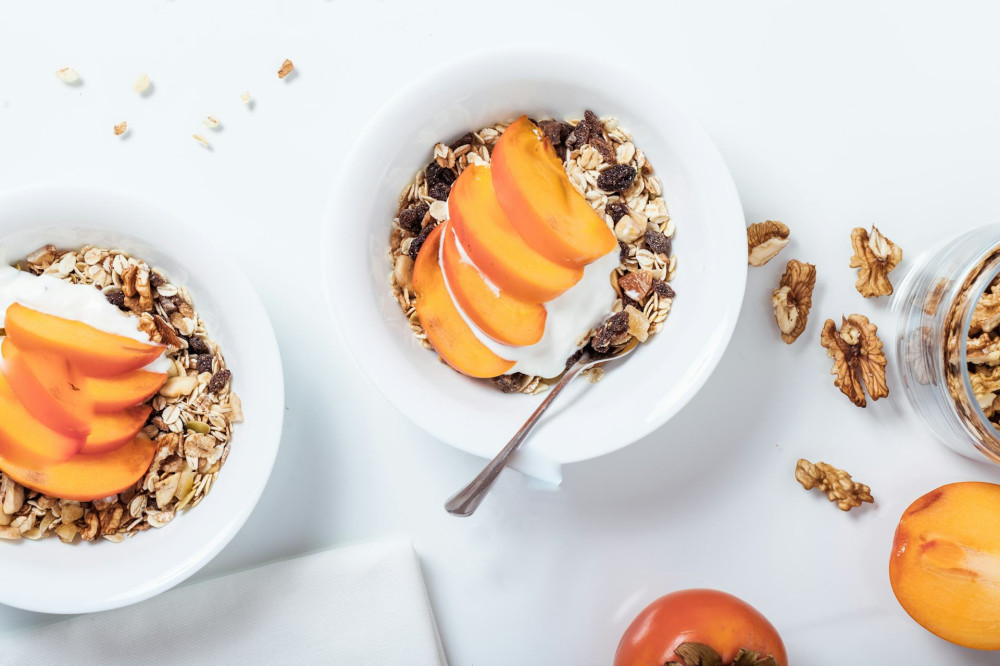
Even the color of the plate matters. A white plate can make food colors pop, while darker plates can create a sense of sophistication. The key is contrast—arranging colors in a way that sparks curiosity and appetite.
The Power of Scent – When the Nose Leads the Taste
Smell is deeply connected to taste. In fact, much of what we call “flavor” actually comes from our sense of smell. As we chew, aroma compounds travel up to the nose and activate olfactory receptors. That’s why food tastes dull when we have a cold.
Scents can also trigger memories and emotions. The smell of freshly baked bread might evoke comfort, while citrus aromas can energize and refresh. Many restaurants use scent intentionally to set the mood, but you can do the same at home:
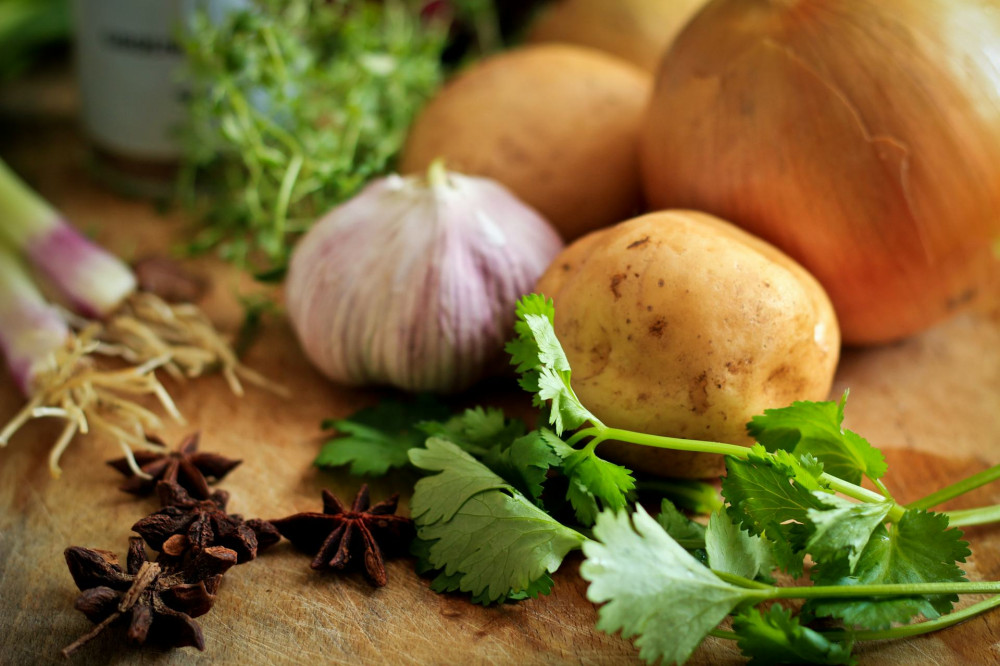
- Fresh herbs like basil, cilantro, or rosemary can brighten a dish’s aroma.
- A hint of lemon zest can add freshness to both sweet and savory recipes.
- Roasting and baking release caramelized aromas that naturally stimulate appetite.
Paying attention to scent isn’t just for chefs—it’s a simple way to make everyday meals more sensory and satisfying.
The Feel of Food – Why Texture Matters
How food feels in the mouth is just as important as how it tastes. A crisp crust, a silky sauce, or a tender bite each create a different kind of pleasure. Texture adds variety and surprise—and it’s those contrasts that make a meal memorable.
A dish where everything feels the same can quickly become boring. That’s why chefs often combine textures deliberately:
- Crunchy meets creamy – like nuts on top of a smooth dessert.
- Smooth meets coarse – like a purée paired with whole vegetables.
- Hot meets cold – like ice cream served with a warm sauce.
Even the sound of texture matters. The crunch of a fresh apple or the crackle of fried chicken enhances our sense of freshness and quality.
When the Senses Work Together
The most fascinating part of eating is how our senses influence one another. A scent can change how we perceive color. A texture can make a flavor seem stronger. And a beautiful presentation can alter our expectations of taste.
Scientists call this “multisensory perception”—the process by which the brain combines input from multiple senses to create a single, unified experience. This means we can actually “trick” the brain into finding food more delicious simply by adjusting the environment.
Læs også:




Bringing Sensory Awareness to Your Own Table
You don’t need to be a professional chef to use your senses intentionally. Small changes can make a big difference:
- Think in color: Use a variety of vegetables and play with contrast on the plate.
- Add aroma: Sprinkle fresh herbs or spices just before serving.
- Mix textures: Combine crisp, soft, and creamy elements for balance.
- Set the mood: Lighting, music, and table setting all influence how food feels and tastes.
When you engage your senses, a meal becomes more than nourishment—it becomes an experience that connects body, mind, and memory.
A Meal for All the Senses
Eating isn’t just about satisfying hunger. It’s about experiencing, feeling, and enjoying. When we let our senses join the meal, food becomes a full-bodied experience where colors, scents, and textures come together in harmony. That’s where the magic happens—in the meeting of what we see, smell, touch, and taste.
Læs også: