Small Habits, Big Impact: How to Reduce Food Waste in Everyday Life


Small Habits, Big Impact: How to Reduce Food Waste in Everyday Life
Food waste is one of the biggest environmental challenges we face—and it’s also one of the easiest to tackle at home. In the United States, nearly 40% of all food goes uneaten each year. That’s not just a waste of food, but also of money, water, and energy. The good news? Small changes in your daily habits can make a big difference. Here’s how you can cut down on food waste without making major sacrifices.
Planning Is Key
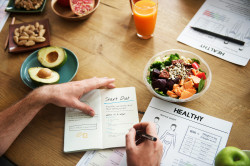
One of the most effective ways to reduce food waste is to plan your meals. When you know what you’ll be eating, you’re less likely to buy unnecessary items or forget about ingredients hiding in the back of the fridge.
- Make a meal plan for a few days at a time. It doesn’t have to be complicated—just a general idea of what you’ll cook.
- Check your fridge and pantry before shopping. Use what you already have as a starting point.
- Write a shopping list and stick to it. It saves both time and money.
Planning ahead helps you stay organized and ensures that the food you buy actually gets eaten.
Store Food the Right Way
A lot of food goes bad simply because it’s stored incorrectly. A few small adjustments can extend the life of your groceries.
- Keep your fridge at 37–40°F to slow down spoilage.
- Store food in the right spots: dairy and meat on the lower shelves, produce in the crisper drawers, and leftovers in clear containers so you can see them.
- Use your freezer wisely—freeze leftovers, bread, and fruit before they spoil. It’s an easy way to make food last longer.
Try creating a “Eat Me First” section in your fridge for items that need to be used soon. It’s a simple trick that really works.
Læs også:

Understand Date Labels
Many Americans throw away perfectly good food because of confusion over date labels. There’s a big difference between “Use By” and “Best If Used By.”
- “Use By” dates are about safety and apply to perishable items like meat and seafood. Don’t eat these after the date.
- “Best If Used By” refers to quality, not safety. Many dry goods, dairy products, and snacks are still fine after this date if they look, smell, and taste normal.
Trust your senses—look, smell, and taste before tossing something out. Often, the food is still perfectly good.
Get Creative with Leftovers
Leftovers don’t have to be boring. In fact, they can be the start of something delicious.
- Have a “leftover night” once a week. Mix and match what’s in your fridge—it can turn into a fun, no-waste dinner.
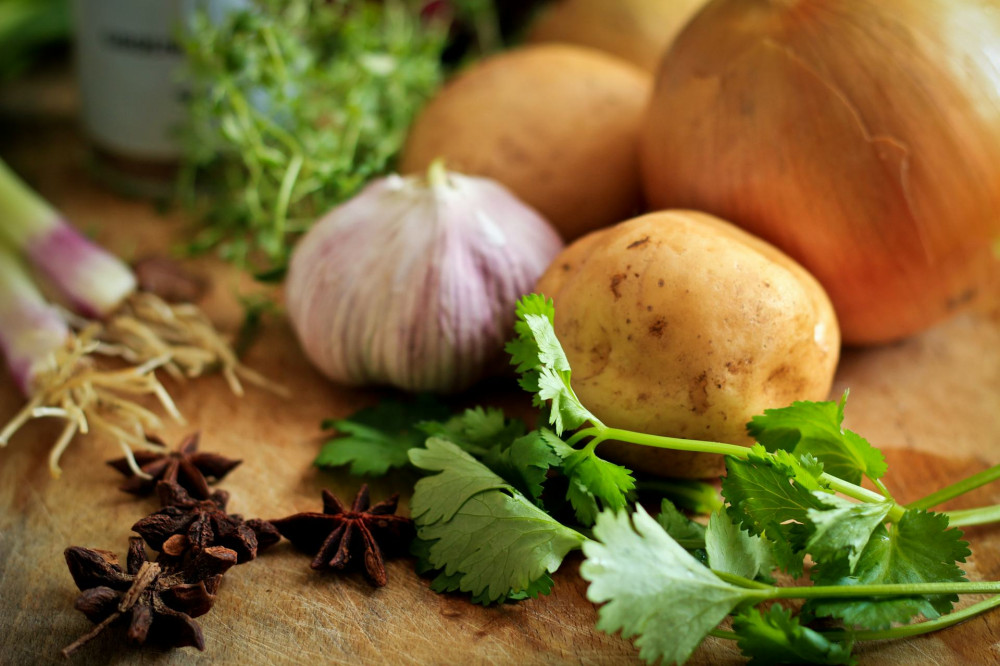
- Use vegetable scraps in soups, omelets, or stir-fries.
- Make homemade broth from veggie peels and herb stems for extra flavor.
- Freeze small portions of leftovers for quick meals on busy days.
Seeing leftovers as ingredients instead of waste can make cooking more creative—and more sustainable.
Shop Smart
It’s tempting to buy in bulk, especially when there’s a sale. But big quantities only make sense if you’ll actually use them.
- Buy only what you know you’ll eat.
- Choose loose produce so you can pick the exact amount you need.
- Avoid impulse buys—ask yourself if you’ll really eat it before it goes bad.
Shopping mindfully doesn’t mean giving up your favorite foods—it just means buying smarter.
Share and Donate
If you still end up with extra food, share it instead of throwing it away. Many communities have ways to connect people with surplus food.
- Use apps like Too Good To Go or Olio to share or rescue food locally.
- Donate to food banks or community fridges—many accept fresh produce and packaged goods.
Your extra food can make a real difference for someone else.
Small Steps, Big Difference
Reducing food waste isn’t about being perfect—it’s about making small, consistent changes. Every time you plan a meal, use up leftovers, or save a piece of fruit from the trash, you’re helping the planet and your wallet.
When we all do a little, it adds up to a lot. Food waste is a problem we can all help solve—one habit at a time.
Læs også: