Plant-Based and Nutritious – How to Meet Your Body’s Needs

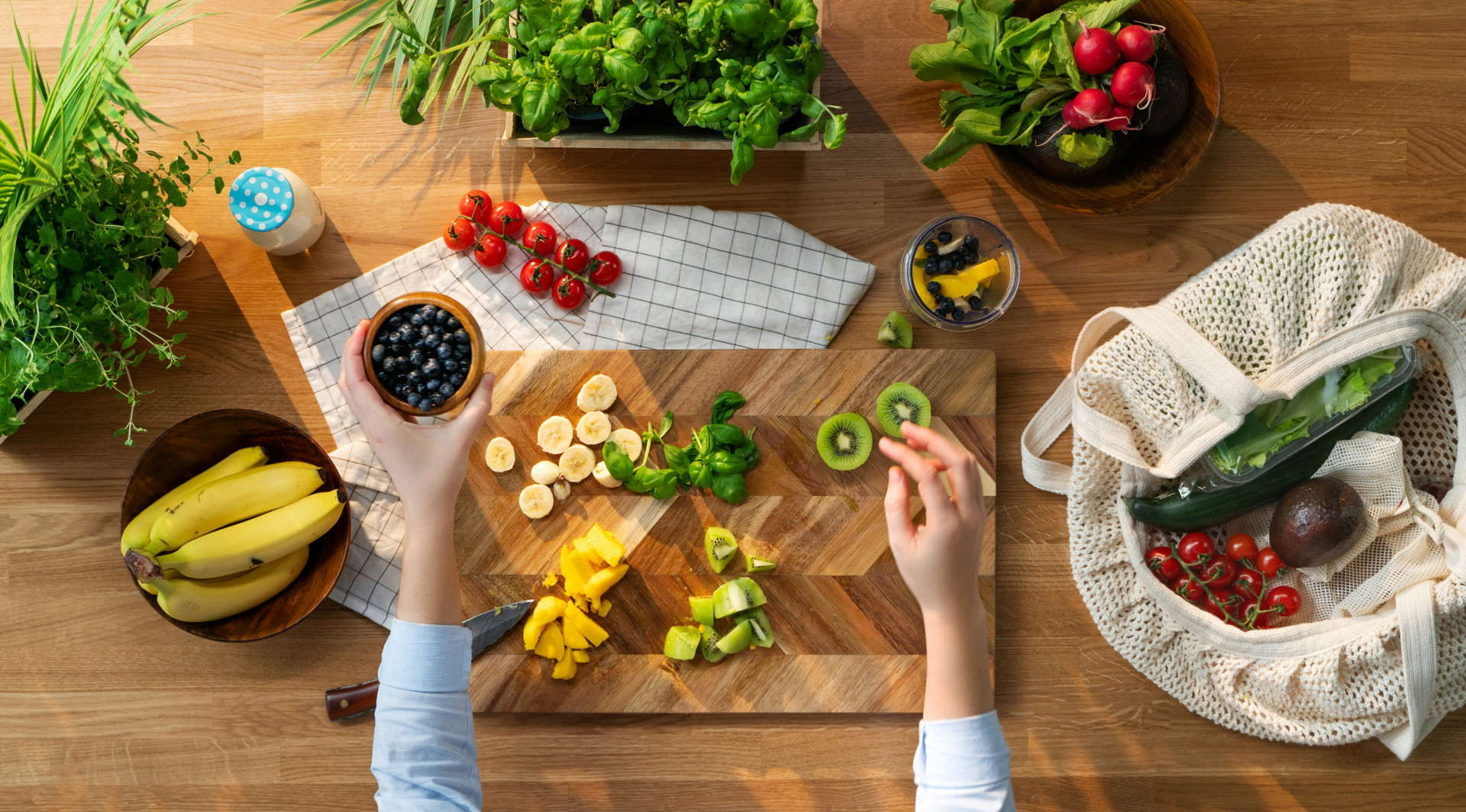
Plant-Based and Nutritious – How to Meet Your Body’s Needs
More Americans are choosing to eat plant-based—whether for health, environmental, or ethical reasons. But how can you make sure your body still gets everything it needs? A plant-based diet can be both balanced and nourishing when planned thoughtfully. Here’s a guide to meeting your nutritional needs while eating more plants.
The Basics of a Plant-Based Diet
A plant-based diet doesn’t have to mean going fully vegan or vegetarian. It simply means making vegetables, fruits, whole grains, legumes, nuts, and seeds the foundation of your meals, while letting animal products play a smaller role.
Eating this way naturally increases your intake of fiber, vitamins, and antioxidants, which support digestion and reduce the risk of chronic diseases. At the same time, you’ll likely consume less saturated fat and cholesterol—good news for your heart.
Still, to keep your body functioning at its best, it’s important to pay attention to a few key nutrients.
Protein – More Than Just Meat
Protein is essential for building and repairing tissues, and many people assume it only comes from meat or dairy. In reality, plants can provide plenty of protein if you eat a variety of foods.
Excellent plant-based protein sources include:
- Legumes such as lentils, chickpeas, and beans
- Soy products like tofu, tempeh, and edamame
- Whole grains such as quinoa, oats, and brown rice
- Nuts and seeds, especially almonds, chia seeds, and pumpkin seeds
By combining different sources throughout the day—like rice and beans—you’ll get all the essential amino acids your body needs.
Iron, Zinc, and Calcium – The Hidden Challenges
When you cut back on meat and dairy, it’s important to pay extra attention to minerals like iron, zinc, and calcium.
- Iron is found in lentils, beans, spinach, and fortified cereals. To boost absorption, pair iron-rich foods with vitamin C sources such as citrus, bell peppers, or strawberries.
- Zinc can be obtained from nuts, seeds, and whole grains.
- Calcium is present in leafy greens like kale and broccoli, as well as in fortified plant milks such as soy, almond, or oat milk.
If you avoid dairy completely, choose calcium-fortified alternatives to help meet your daily needs.
Omega-3 Fatty Acids – Fuel for the Brain
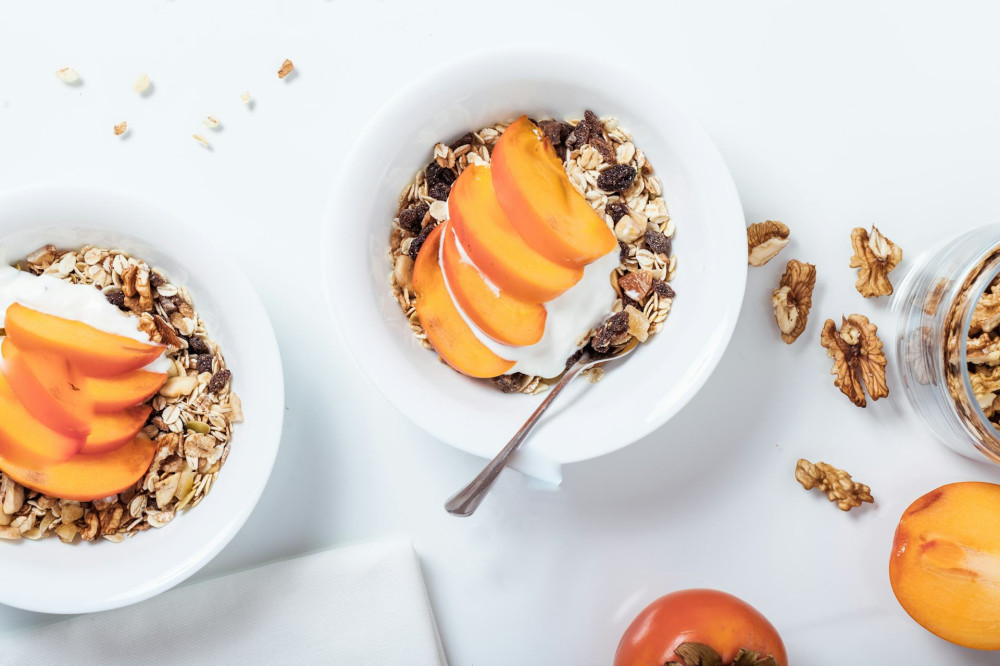
Fatty fish are the traditional source of omega-3s, but plants offer options too. Chia seeds, flaxseeds, walnuts, and hemp seeds contain ALA, a type of omega-3 that your body can partially convert into the forms found in fish. If you follow a fully vegan diet, consider an algae-based supplement, which provides the same active omega-3s as fish oil.
Læs også:


Vitamins B12 and D – The Two You Shouldn’t Forget
Vitamin B12 is found almost exclusively in animal products, so if you eat fully plant-based, you’ll need a supplement or fortified foods such as plant milks and breakfast cereals. Vitamin D is produced when your skin is exposed to sunlight, but depending on where you live and the season, a supplement may be helpful—especially during the winter months.
Plan Your Meals – and Keep It Simple
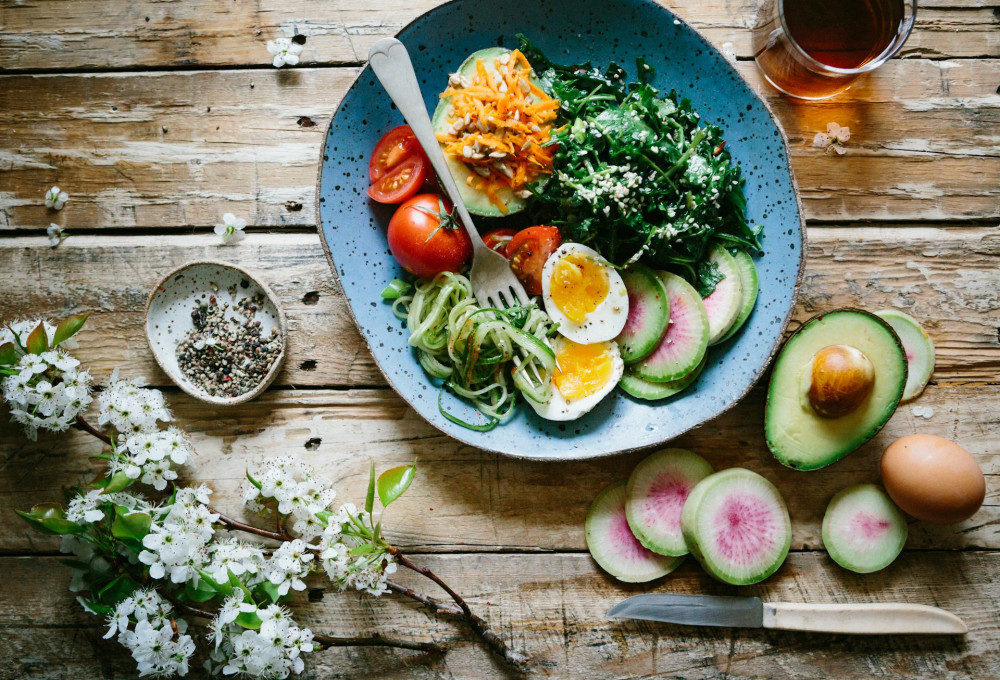
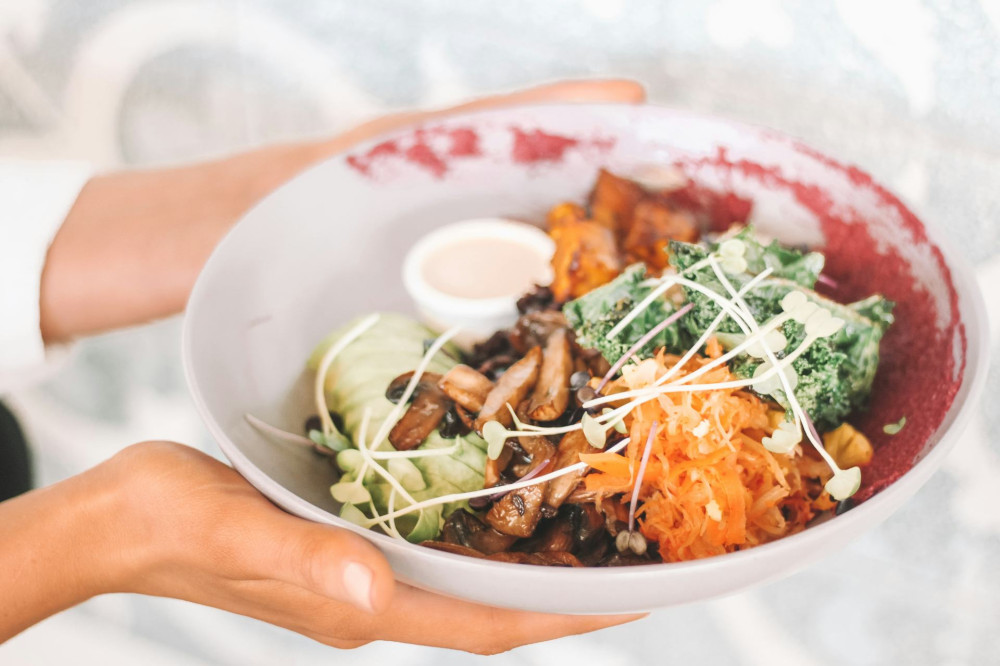
A healthy plant-based diet doesn’t require complicated cooking. Think in terms of color, variety, and balance. A simple rule of thumb: fill half your plate with vegetables, one-quarter with whole grains, and one-quarter with protein-rich plant foods. Batch-cook soups, stews, or grain bowls so you have nutritious meals ready for busy days. Planning ahead makes it easier to stick with your goals.
Flavor, Enjoyment, and Balance
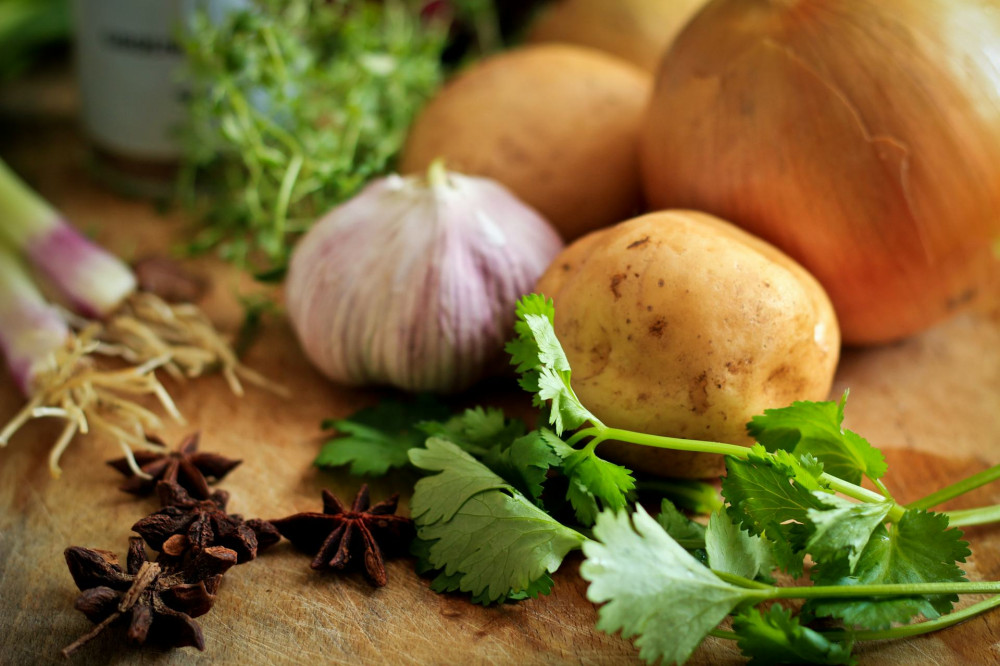
Eating plant-based isn’t just about nutrition—it’s about enjoyment. Experiment with herbs, spices, and different cooking methods to keep your meals exciting. And remember, it doesn’t have to be all or nothing. Even small changes—like having one meatless day a week—can make a positive difference for your health and the planet.
A Greener Path to Wellness
A plant-based diet can boost your energy, improve digestion, and support long-term health—when you make sure to cover your nutritional bases. With a bit of planning and curiosity, you can eat in a way that’s varied, nourishing, and sustainable—without sacrificing flavor or satisfaction.
Læs også: