Diet Guidelines Made Simple: How They Can Strengthen Your Healthier Relationship with Food

Diet Guidelines Made Simple: How They Can Strengthen Your Healthier Relationship with Food
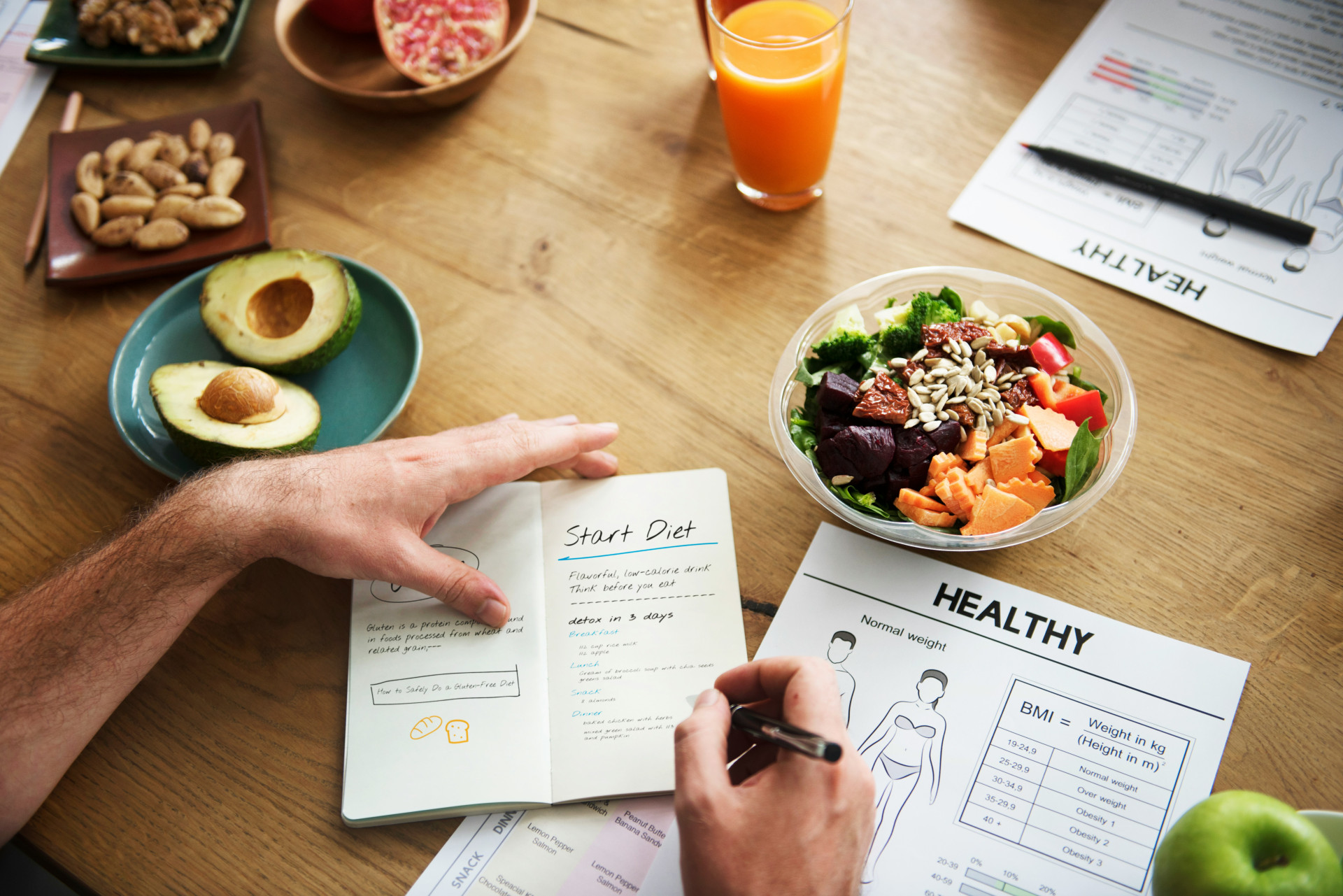
For many people, the official dietary guidelines can feel like a long list of rules to follow perfectly. But in reality, they’re not about restriction or guilt — they’re about balance, enjoyment, and building a healthier relationship with food. When you understand the purpose behind the guidelines, they become less of a burden and more of a tool to help you thrive in everyday life. Here’s a simple look at how these guidelines can inspire a more relaxed and sustainable approach to eating.
From Rules to Guidance
The Dietary Guidelines for Americans aren’t meant to be a strict checklist. They’re designed as flexible recommendations to help you eat a variety of foods and get the nutrients your body needs. It’s about finding a rhythm that works for you — not about being perfect.
Instead of focusing on what you shouldn’t eat, think about what you can add. Maybe that means a few more vegetables, a bit more whole grains, or a little less added sugar. Small, consistent changes can make a big difference over time.
Eat More Plants — in a Way That Works for You
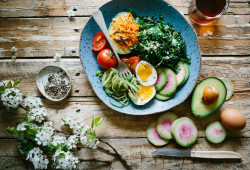
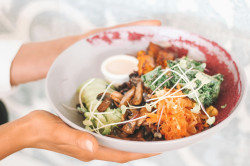
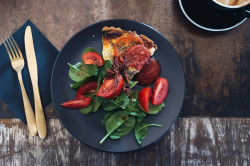
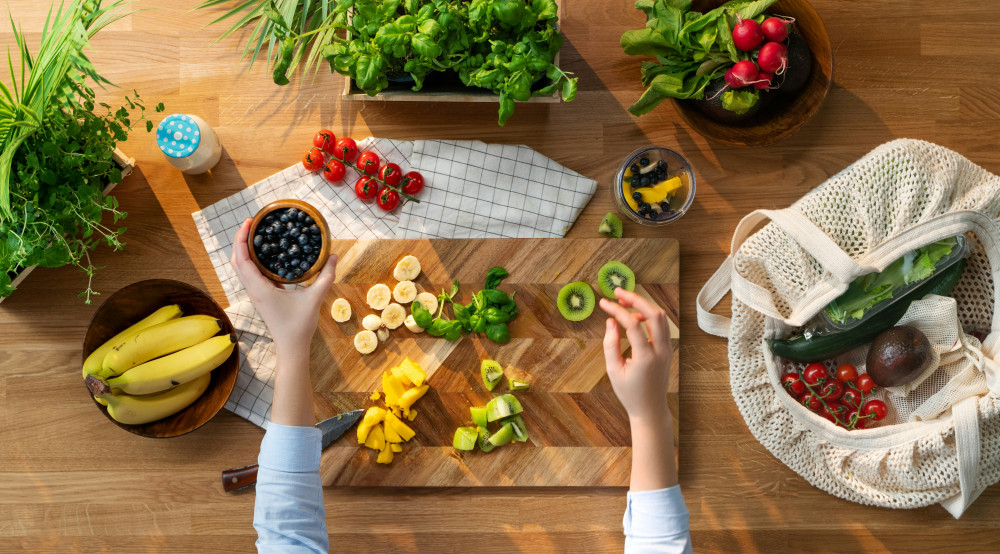
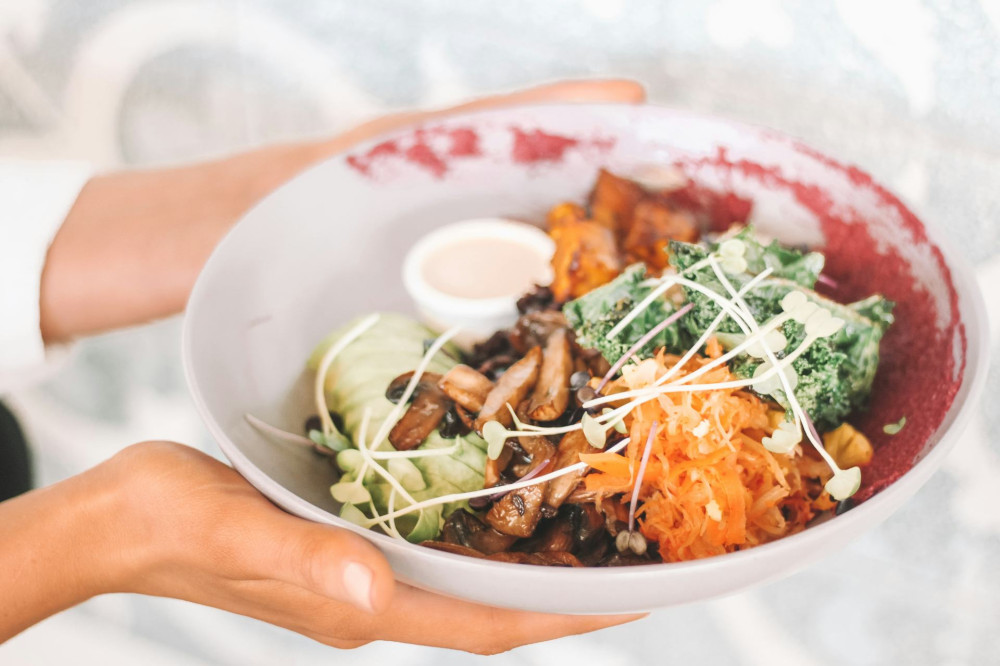
One of the core messages of the guidelines is to eat more fruits and vegetables. That doesn’t mean you have to live on salads. It’s about finding ways to include more plants in meals you already enjoy.
- Add extra veggies to pasta sauces, tacos, or omelets.
- Keep fruit handy for a quick, natural snack.
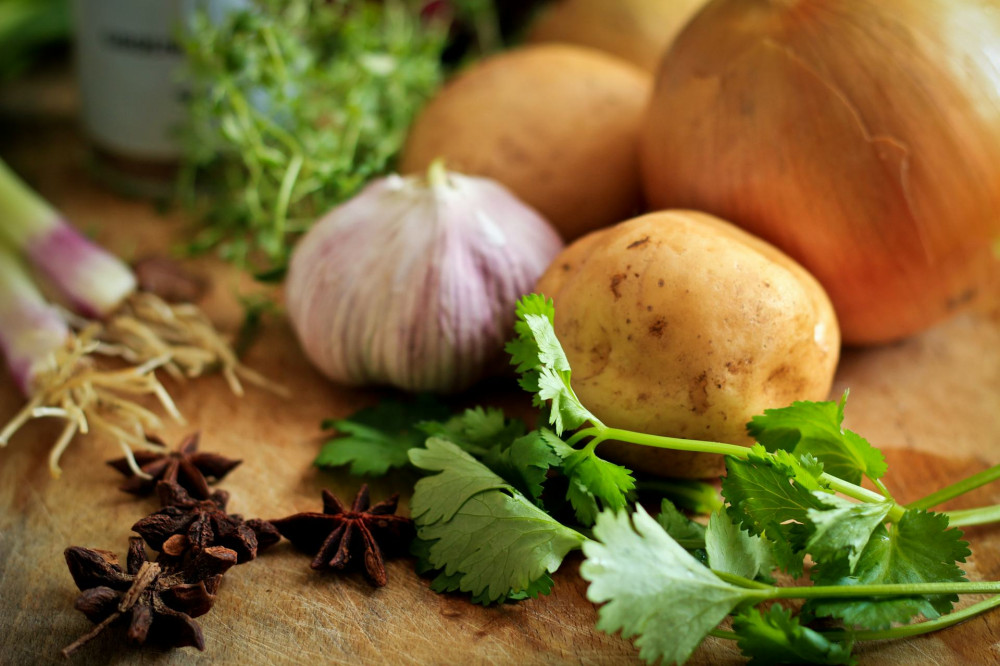
- Try new cooking methods — roasted vegetables, soups, or stir-fries can bring out great flavors.
When fruits and vegetables become a natural part of your meals, it stops feeling like a chore and starts feeling like a habit that boosts your energy and well-being.
Choose Whole Grains and Healthy Fats
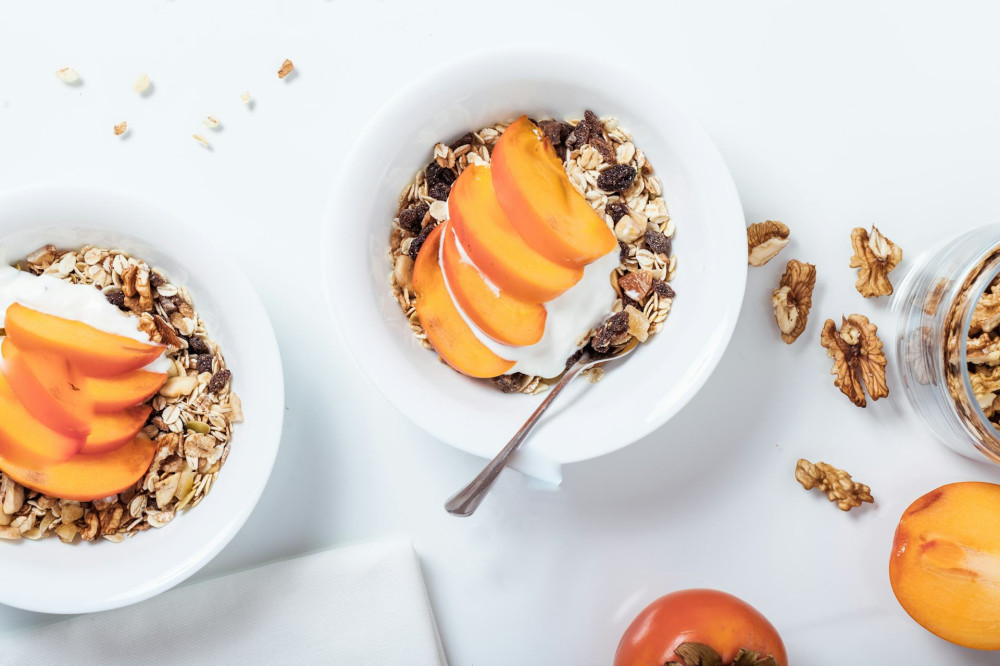
Whole grains and healthy fats are two key building blocks of a balanced diet. Whole grains help you feel full and keep your blood sugar steady, while healthy fats from sources like fish, nuts, and plant oils support your heart and brain.
You don’t have to overhaul your pantry overnight. Start small:
- Swap white bread or rice for whole-grain versions.
- Use olive or canola oil instead of butter when cooking.
- Include fish a couple of times a week — salmon, tuna, or even canned sardines are great options.
The goal is to make choices that fit your taste and lifestyle.
Less Meat, More Variety
Another important guideline is to limit red and processed meats and include more plant-based proteins. It’s good for your health — and for the planet.
You can start by:
- Replacing half the meat in a recipe with beans or lentils.
- Trying a meatless day once a week.
- Exploring global cuisines that highlight vegetables and grains.
When you see it as a chance to discover new flavors, it becomes an enjoyable change rather than a restriction.
Eat Mindfully and with Enjoyment
A healthy relationship with food isn’t just about what you eat — it’s also about how you eat. Slowing down and paying attention to your meals helps you notice hunger and fullness cues and enjoy your food more.
Try turning off screens during meals, chewing slowly, or simply taking a moment to appreciate the taste and texture of your food. When you allow yourself to enjoy eating, healthy habits feel more natural and less forced.
Think Sustainability — Without the Stress
The guidelines also encourage making choices that are good for the environment. That doesn’t mean you have to change everything at once. Small steps can make a difference:
- Choose seasonal produce when possible.
- Reduce food waste by using leftovers creatively.
- Support local farmers and markets when you can.
Often, what’s good for the planet is also good for your health — and it feels rewarding to know your choices matter.
Læs også:

A Healthy Relationship with Food Starts with Balance
Following the dietary guidelines isn’t about perfection. It’s about finding balance — a way of eating that supports your body and fits your life. When you see the guidelines as inspiration rather than rules, they become a tool for more calm, energy, and joy in your daily routine.
Small steps, realistic goals, and room for enjoyment — that’s the key to a healthier, more positive relationship with food that lasts.
Læs også: