Variation and Balance in Food Concepts: How to Create Dishes That Appeal to Many Palates


Variation and Balance in Food Concepts: How to Create Dishes That Appeal to Many Palates
When developing a food concept—whether for a corporate cafeteria, a café, or a large-scale catering operation—it’s not just about making food that tastes good. It’s about creating variety, balance, and a cohesive experience that resonates with a wide range of diners. People have different preferences, dietary needs, and expectations, and a well-thought-out concept can make the difference between a meal that simply satisfies hunger and one that truly delights.
Variety as the Key to Satisfied Guests
Variety is one of the most important elements in any food concept. It’s not only about alternating between meat, seafood, and plant-based dishes, but also about varying colors, textures, cooking methods, and flavor profiles. A diverse menu helps more people feel seen and catered to—and it encourages them to come back.
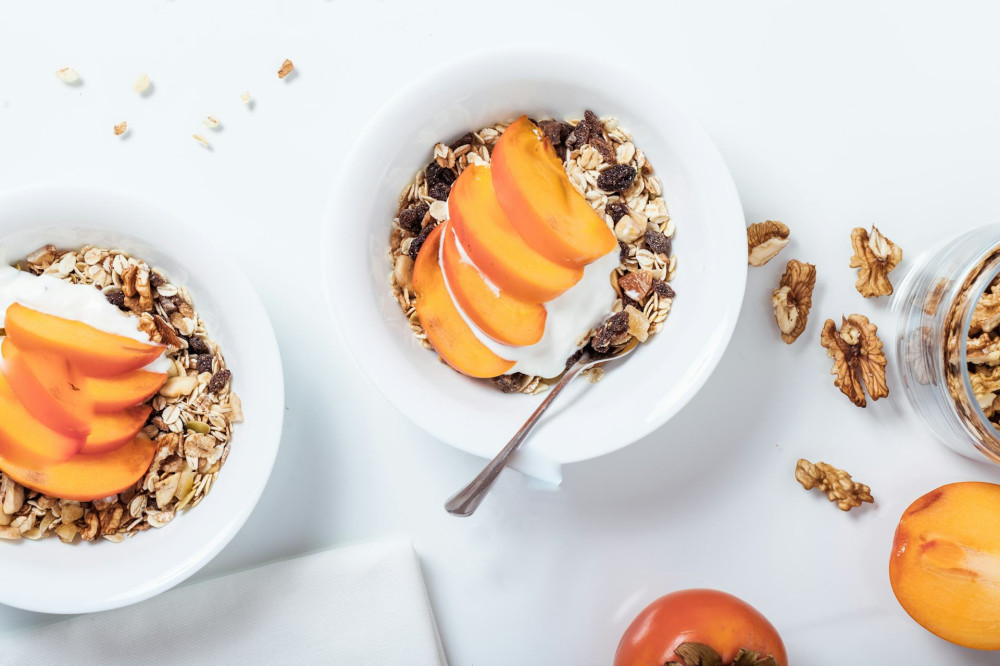
- Colors: A colorful plate signals freshness and health. Use seasonal produce and let natural hues shine.
- Textures: Combine crisp, creamy, and tender elements to create a dynamic eating experience.
- Flavors: Offer options for those who love bold, spicy tastes as well as those who prefer something mild and comforting.
Think about variety over time, not just from day to day. Rotating ingredients and themes across weeks or months keeps things fresh without requiring a complete menu overhaul every season.
Balancing Health and Enjoyment
Modern diners want food that’s both nourishing and satisfying. The challenge is to find the balance between health and indulgence. Using high-quality ingredients and letting vegetables take center stage in more dishes is a great start. At the same time, work with elements like umami, acidity, and richness to create depth and satiety.
For example, a hearty lentil stew topped with toasted seeds and fresh herbs can be both plant-based and deeply flavorful. Balance also comes from portion sizes and composition—a plate that includes protein, vegetables, and whole grains provides energy and satisfaction without feeling heavy.
Know Your Audience
A successful food concept starts with understanding who you’re cooking for. Are your guests office workers looking for quick, healthy lunches? Students who need meals that are both fun and nutritious? Or restaurant diners expecting a memorable culinary experience?
Gather insights through observation or feedback: What dishes are most popular? What tends to be left uneaten? This information helps you fine-tune your offerings, presentation, and communication. When you know your audience, you can create variety and balance that feel intentional and relevant.
Seasonality and Sustainability as Guiding Principles
Building your menu around seasonal ingredients naturally brings more variety and better flavor. It also communicates a sense of responsibility and quality. Planning menus according to the seasons allows you to follow nature’s rhythm—think asparagus and peas in spring, berries and salads in summer, root vegetables and hearty greens in winter. This approach supports local producers, reduces environmental impact, and keeps your offerings exciting throughout the year.
Læs også:




Presentation and Experience
How food is presented has a major impact on how it’s perceived. Even the most delicious dish can seem dull if it looks monotonous. Think in terms of contrast and simplicity: a colorful garnish, a sprinkle of herbs, or a side of crunchy toppings can elevate the entire experience. In buffets or cafeterias, consider organizing food into zones—such as a “green zone,” a “warm comfort zone,” and a “flavor zone”—to inspire exploration and choice.
Creating a Coherent Concept
Variety doesn’t mean randomness. A strong concept needs a clear thread that ties everything together. This could be a focus on local ingredients, a particular culinary tradition, or a signature flavor style. When guests sense that there’s a thoughtful vision behind the menu, the food feels more professional and cohesive. That consistency builds trust—and keeps people coming back.
An Experience That Speaks to Many
Ultimately, creating food that appeals to many palates is about understanding people. We eat not only to nourish ourselves but also to connect, to be inspired, and to enjoy. A food concept built on variation and balance can embrace the healthy, the indulgent, and the social aspects of dining—turning every meal into an experience that satisfies both body and mind.
Læs også: