Community Through Food: Create Meaningful Holiday Experiences with Special Events


Community Through Food: Create Meaningful Holiday Experiences with Special Events
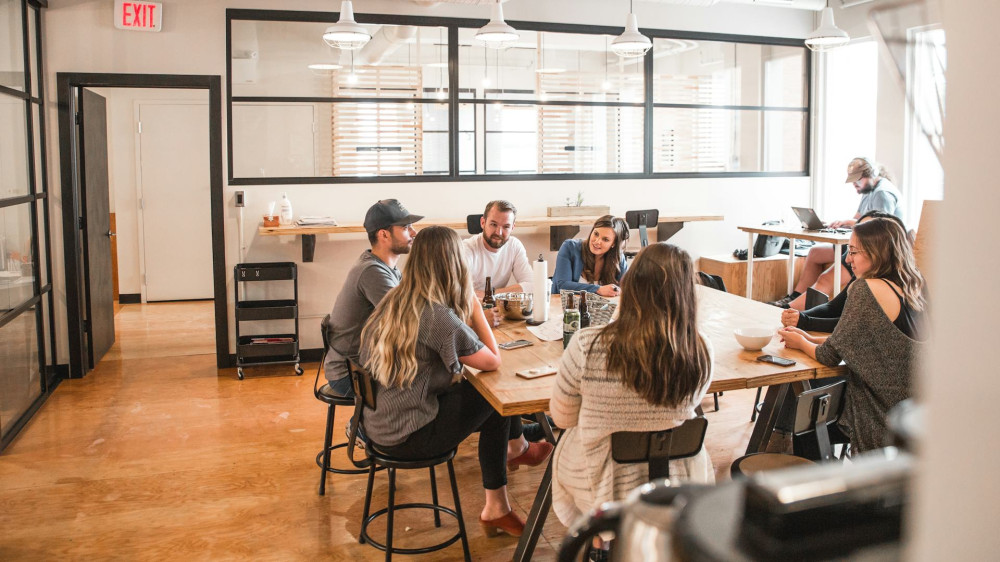
Food has always been one of the most powerful ways to bring people together. Whether it’s a Thanksgiving potluck at the office, a Fourth of July cookout, or a winter holiday dinner, shared meals create a sense of belonging that goes far beyond what’s on the plate. For companies, schools, and community organizations, the holiday season offers a perfect opportunity to strengthen connections through special food-centered events—and with thoughtful planning, these gatherings can become cherished traditions that people look forward to year after year.
Food as a Universal Language
Food speaks to all senses and serves as a universal language that bridges differences. When we share a meal, we also share time, stories, and traditions. That’s why holidays—each with their own flavors and rituals—play such an important role in building community.
A well-designed food event can foster a sense of identity and togetherness. It’s not just about what’s served, but about the atmosphere, the story behind the menu, and the small details that make the experience personal. A Thanksgiving lunch featuring regional ingredients, a spring celebration with fresh, seasonal dishes, or a summer barbecue with homemade sides can all help strengthen relationships among colleagues, neighbors, and partners.
Planning with Purpose
When planning a holiday event, start by defining what you want to achieve. Is the goal to bring employees from different departments together? To show appreciation for a year of hard work? Or to celebrate a milestone? The purpose should guide every decision—from the menu to the setting to the activities.
- Think in themes: A clear theme—such as “Taste of America,” “Farm-to-Table Holiday,” or “Winter Around the World”—can tie the event together and make it more memorable.
- Invite participation: Encourage guests to contribute recipes, stories, or dishes from their own traditions. This creates a sense of ownership and makes the event more personal.
- Balance structure and spontaneity: A good mix of planned activities and relaxed moments allows space for both conversation and connection.
Læs også:



Sustainability and Care
More organizations are choosing to incorporate sustainability into their holiday events. This might mean sourcing local ingredients, reducing food waste, or offering plant-based options. Sustainable choices send a strong message of responsibility—and can inspire participants to bring those values into their own lives.
Consider partnering with local farms or bakeries to highlight seasonal produce, or design a “green holiday menu” that gives classic dishes a modern, eco-friendly twist. These choices show care not only for the environment but also for the guests’ experience.
Creating Memorable Moments
A holiday event becomes truly memorable when it offers more than just good food. Think about how to create small moments that linger in people’s minds: a shared toast, a story about the origins of a dish, or an interactive cooking station where guests can help prepare part of the meal.
Music, lighting, and décor can enhance the atmosphere, but it’s often the human connections that make the biggest impact. When coworkers laugh together over a homemade dessert or help each other decorate the table, they build the kind of community that no strategy alone can create.
Evolving Traditions
Holidays are rooted in tradition—but traditions can evolve. Many workplaces and communities find that people appreciate when familiar celebrations are given a fresh touch. It might be a holiday party with global street food, a spring gathering focused on local produce, or a New Year’s dinner where guests help design the menu.
By blending the familiar with the new, you can create events that feel both comforting and exciting. That balance helps everyone feel included and inspired, reinforcing the sense of community that holidays are meant to celebrate.
A Community That Lasts
When the plates are cleared and the lights dim, the experience lives on in conversations, photos, and memories. A well-planned holiday event can strengthen relationships, build pride, and energize people for the months ahead. It’s an investment in well-being, teamwork, and culture.
Food is more than nourishment—it’s a way to connect, to celebrate, and to mark the moments that matter. When we gather around the table, the holiday becomes more than a date on the calendar—it becomes a shared experience that brings us closer together.
Læs også: