Shopping with Variety: How to Make the Most of This Week’s Ingredients for Multiple Healthy Meals

Shopping with Variety: How to Make the Most of This Week’s Ingredients for Multiple Healthy Meals
Grocery shopping for the week can save both time and money—but it takes a bit of planning to keep your meals interesting and nutritious. Many of us fall into the habit of cooking the same dishes over and over because it feels easy. But with a little creativity, the same ingredients can be transformed into several different meals that are healthy, flavorful, and satisfying. Here’s how to make the most of your weekly grocery haul.
Plan with Flexibility in Mind
A good weekly plan starts with taking stock of what you already have. Check your fridge, freezer, and pantry before heading to the store, and make a list of what you need. Then plan three or four main dishes that can be mixed, matched, or repurposed throughout the week. This approach keeps things flexible while ensuring you use up what you buy.
For example, if you pick up a whole chicken, you can roast it for dinner one night, use the leftovers for chicken tacos or salad, and simmer the bones for a hearty soup. That’s three different meals from one main ingredient—less waste, more variety.
Think in Ingredient Groups
Instead of planning around specific recipes, think in terms of ingredient groups. This makes it easier to combine foods in new ways without extra shopping trips.
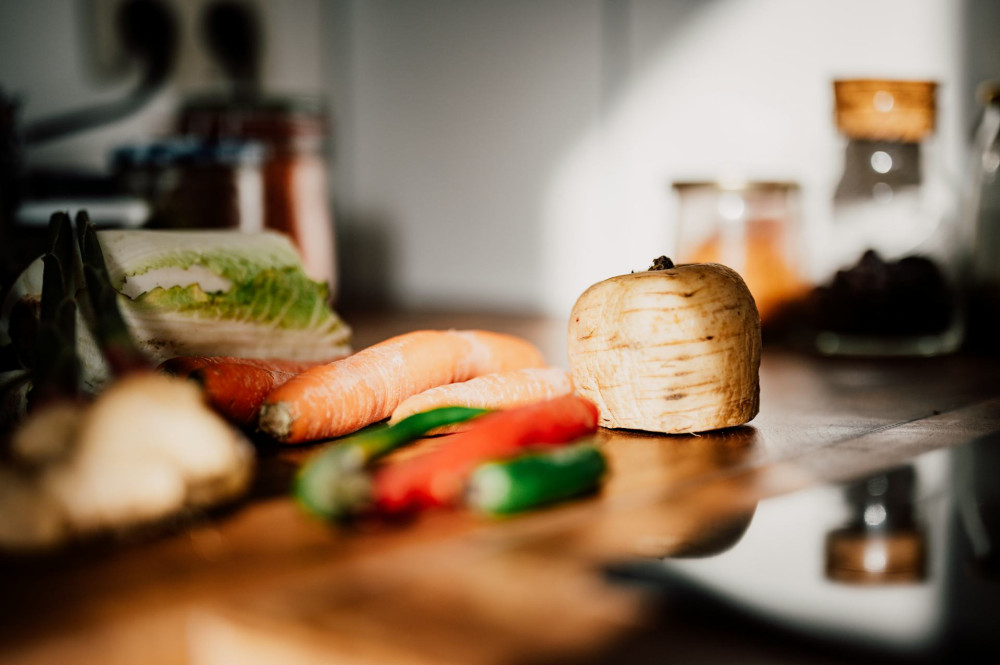
- Vegetables: Choose five or six types that can be used raw, roasted, or sautéed—like bell peppers, carrots, spinach, broccoli, and onions.
- Proteins: Chicken, eggs, beans, lentils, and fish are versatile staples that can anchor many meals.
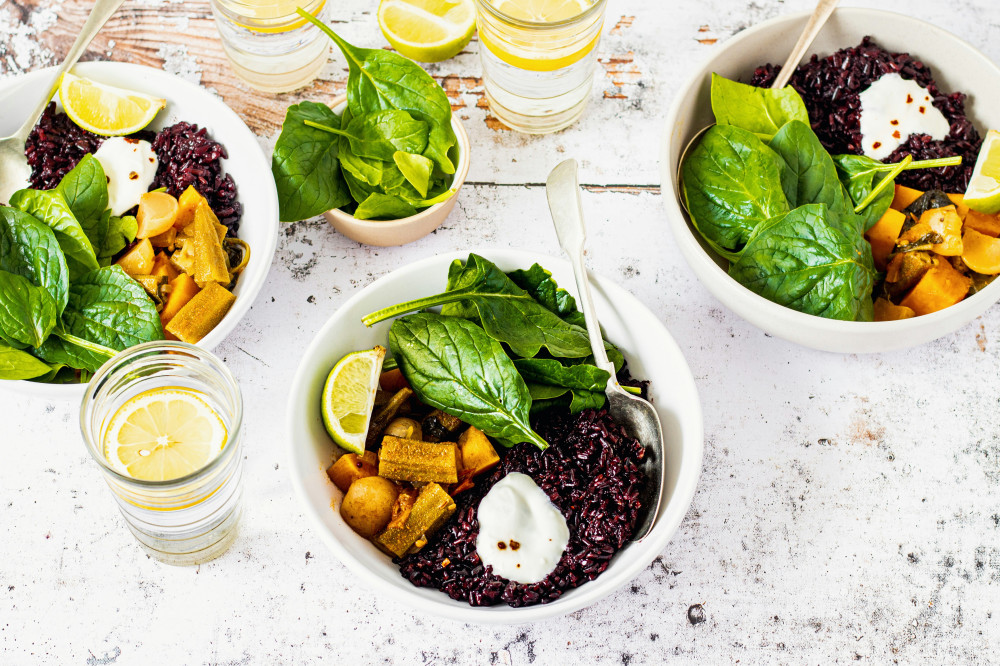
- Grains and starches: Brown rice, quinoa, oats, and whole-grain pasta provide filling bases that pair well with different flavors.
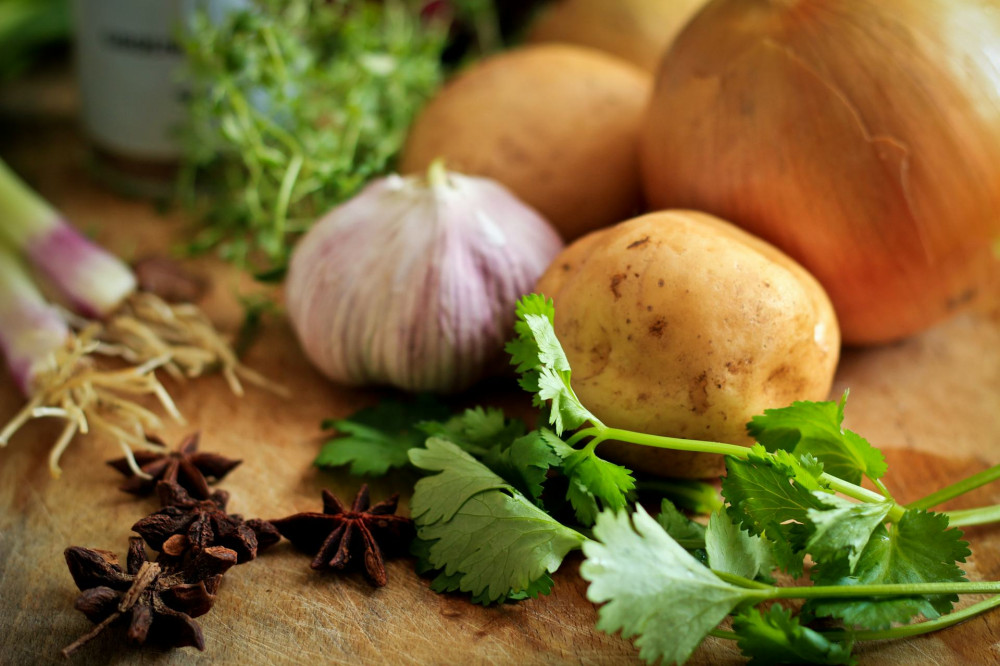
- Flavor boosters: Fresh herbs, citrus, garlic, and nuts can elevate even the simplest dish.
By mixing and matching across these groups, you can create new combinations all week long without feeling like you’re eating the same thing twice.
Læs også:

Get Creative with Leftovers
Leftovers don’t have to be boring. In fact, they can be the foundation for quick, healthy meals. Roasted vegetables can become a wrap filling, a frittata, or a warm grain bowl. Cooked rice can be turned into fried rice, a burrito bowl, or a simple soup base.
Try scheduling a “leftover night” once a week—a day to use up what’s left in the fridge. You can turn it into a mix-and-match dinner buffet or a one-pot meal. It’s a great way to save time, money, and food.
Let Seasonal Produce Inspire You
Shopping with the seasons is one of the easiest ways to add variety to your meals. Seasonal fruits and vegetables are fresher, more flavorful, and often more affordable. Plus, the changing produce throughout the year naturally encourages you to switch up your menu.
In spring, think asparagus, spinach, and strawberries. Summer brings tomatoes, zucchini, and corn. Fall is perfect for squash, sweet potatoes, and apples, while winter offers hearty greens and root vegetables. Use what’s in season as the starting point for your weekly plan—it keeps your meals exciting and colorful.
Make Healthy Choices Easy
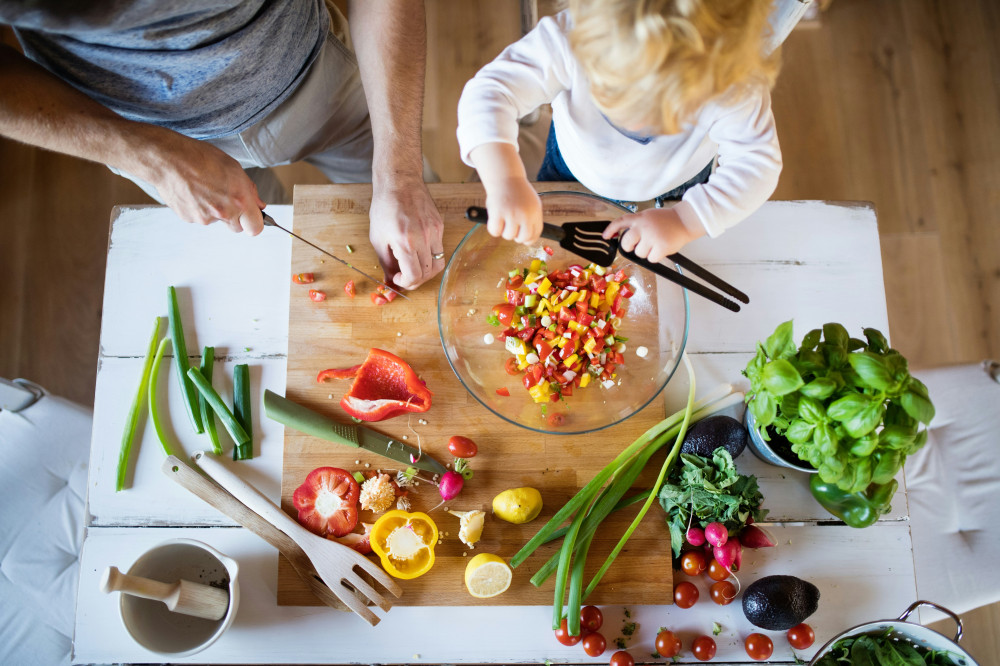
When you’re tired after a long day, convenience often wins. That’s why a little prep work can make a big difference. Wash and chop vegetables, cook a batch of grains, or make a simple dressing on the weekend. Having ready-to-use ingredients makes it easier to throw together a healthy meal in minutes.
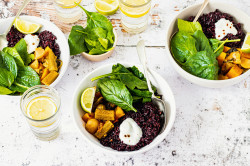
Store prepped foods in clear containers so you can see what you have. And remember, healthy doesn’t have to mean complicated—a bowl of quinoa, roasted veggies, beans, and a drizzle of tahini or vinaigrette can be both nourishing and satisfying.
Variety Without the Stress
Eating with variety isn’t about cooking something new every night—it’s about using the same ingredients in different ways. A batch of roasted vegetables can become a pasta dish, a salad, or a soup, depending on how you season and serve it.
By planning flexibly and building your meals around this week’s ingredients, you’ll make cooking easier, healthier, and more sustainable—without spending extra time in the kitchen.
Læs også: