Getting the Whole Family Involved in Meal Planning: How Meal Kits Can Become a Shared Project

Getting the Whole Family Involved in Meal Planning: How Meal Kits Can Become a Shared Project
Meal kits have become a popular solution for busy American families. They save time, reduce food waste, and make it easier to eat balanced meals without endless grocery runs. But beyond convenience, meal kits can also become a shared family project—an opportunity for everyone to take part in planning, choosing, and cooking meals together. When each family member has a role, dinner transforms from a daily chore into a fun, meaningful activity that brings everyone closer.
Turn Planning into a Family Ritual
In many households, one person ends up making all the meal decisions. But what if planning dinner became a family event? Set aside a few minutes each week to look through the upcoming meal kit options together. Let each person pick a dish that appeals to them, and talk about what sounds exciting to try.
This shared decision-making gives everyone a sense of ownership and curiosity—and it increases the chances that everyone will actually enjoy what’s on the table. It’s also a great way for kids to learn about nutrition, balance, and how to plan ahead.
Try rotating who gets to choose each week: one week the parents, the next week the kids. That way, everyone’s tastes are represented, and you’ll avoid falling into the same dinner routine.
Get Kids Involved in the Kitchen
When the meal kit arrives, invite the kids to help unpack it. They can sort ingredients, read the recipe cards aloud, and help organize what’s needed for each meal. It’s a simple way to introduce them to the basics of cooking and food preparation.
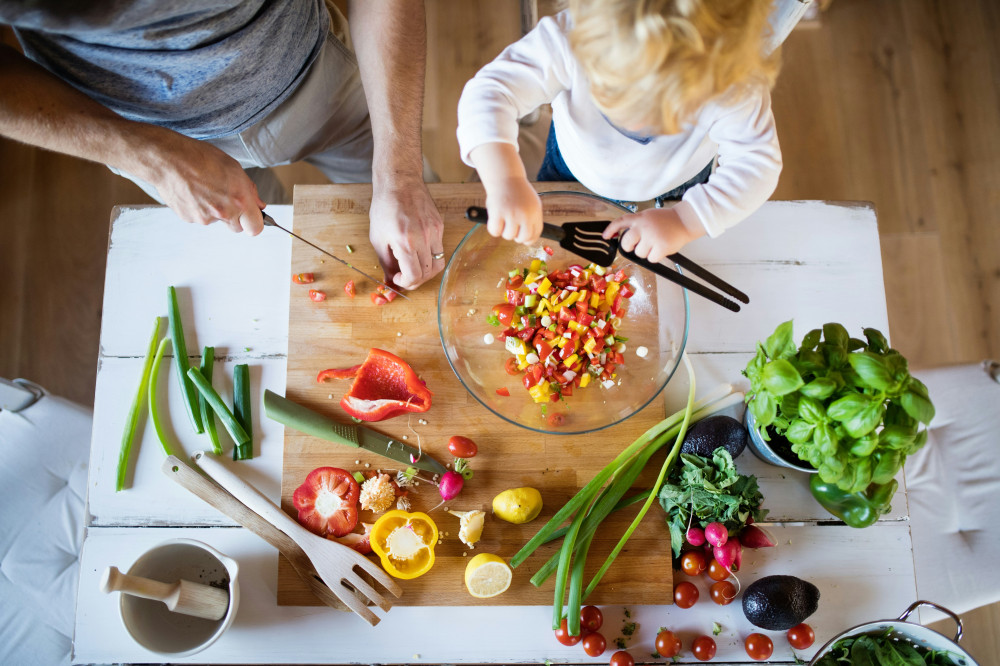
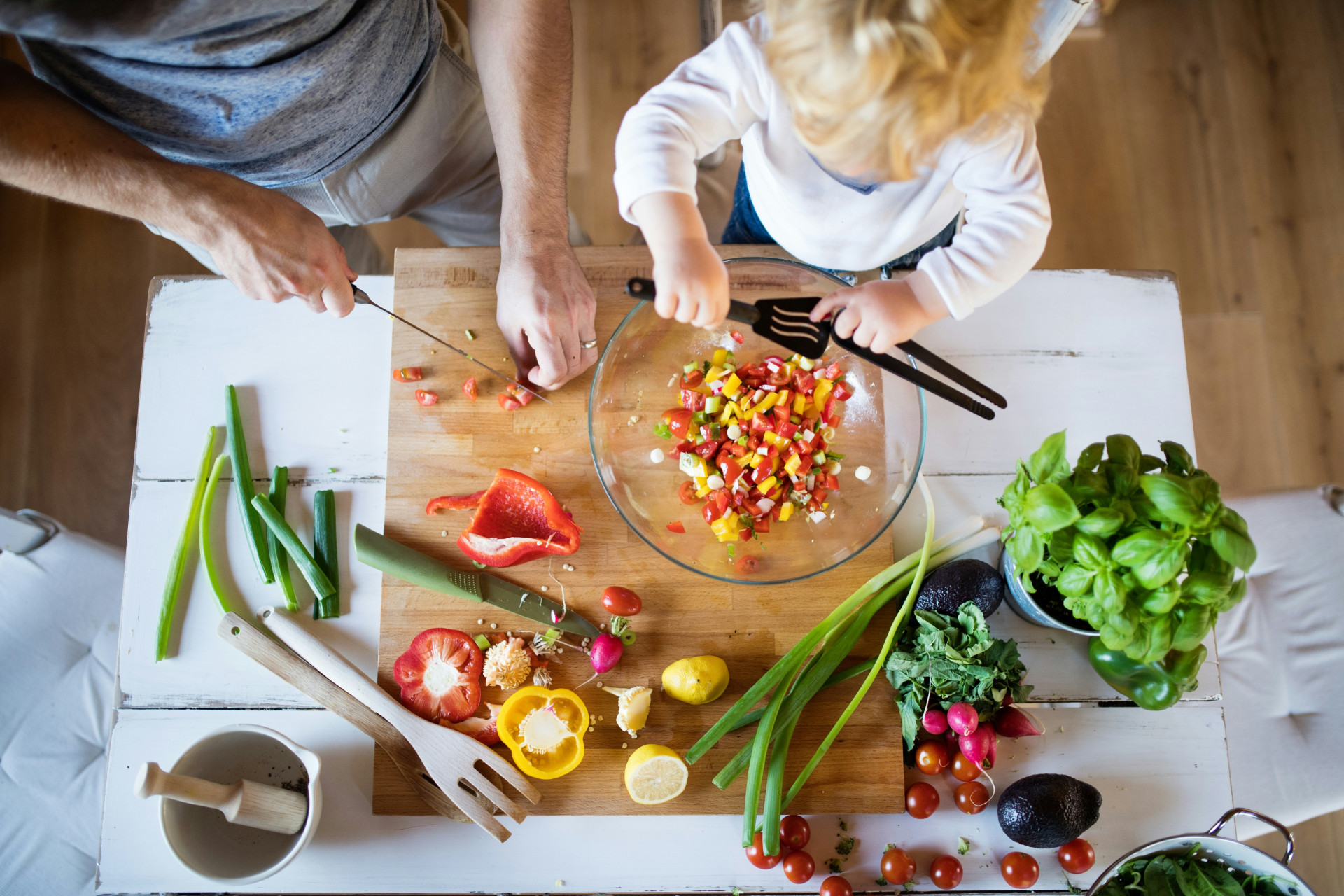
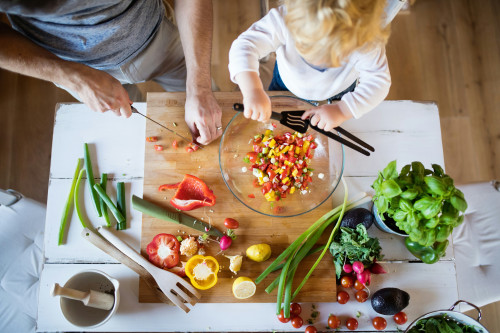
During cooking, assign tasks based on age and skill level. Younger children can wash vegetables, stir sauces, or set the table, while older kids can chop, sauté, or season dishes. The key is to make them feel like active participants, not just spectators.
When children help prepare a meal, they’re more likely to try new foods and feel proud of what they’ve made. For families with picky eaters, this can make a big difference.
Create Fun Mealtime Traditions
Meal kits can easily become part of your weekly routine—but they can also be a way to start new traditions. Maybe you introduce a “family chef” night, where one person leads the cooking with help from everyone else. Or try a “taste adventure” evening, where you explore a dish from another culture or region.
These small rituals don’t have to make life more complicated. They simply turn mealtime into a moment of connection amid busy schedules. When dinner becomes something you look forward to, it takes on a deeper meaning than just feeding the family.
Læs også:

Learn and Grow from the Experience
One of the best things about meal kits is how they can inspire new habits. Many families discover recipes they never would have tried otherwise and pick up new cooking techniques along the way. Use that inspiration to expand your own kitchen repertoire.
Save your favorite recipe cards and recreate those dishes later—maybe with your own twist. Over time, meal kits can become more than a service; they can be a learning tool that helps your family grow more confident and creative in the kitchen.
Cooking Together Strengthens Bonds
Something special happens when the whole family cooks together. Conversations flow more easily, screens are set aside, and everyone works toward a shared goal. It’s a chance to laugh over small mistakes, celebrate successes, and enjoy the results as a team.
Research has shown that families who share meals regularly tend to have stronger relationships and happier, healthier kids. And when everyone has contributed to the meal, it somehow tastes even better.
From Chore to Connection
Meal kits can be much more than a convenient fix for busy nights. They can be a way to bring the family together, build healthy habits, and spark a lifelong interest in cooking. All it takes is a shift in perspective—from seeing them as a quick solution to treating them as a shared project.
When everyone gets involved, cooking stops being a task and becomes an experience. And that’s the real value of meal kits: not just what’s on the plate, but the time and connection they create around it.
Læs også: