Company Lunch for Everyone: How to Successfully Manage Different Expectations


Company Lunch for Everyone: How to Successfully Manage Different Expectations
A company lunch can be much more than just a meal—it’s a chance to connect, recharge, and strengthen the sense of community at work. But when employees have different dietary preferences, cultural backgrounds, and expectations for what a “good lunch” means, planning can quickly become complicated. How do you create a company lunch where everyone feels included and satisfied? Here’s how to manage those diverse expectations with success.
Know Your Team – and Their Needs
The first step toward a successful company lunch is understanding who’s coming to the table. In most workplaces, employees represent a wide range of eating habits, lifestyles, and cultural traditions. Some may be vegetarian or vegan, others may avoid certain meats for religious reasons, and some may have allergies or intolerances that require special attention.
Before placing an order, take a few minutes to ask about preferences and restrictions. A short, informal survey can go a long way—it shows thoughtfulness and helps you make informed choices. Many catering companies in the U.S. now offer flexible menus with plant-based, gluten-free, and allergen-friendly options alongside classic dishes.
Offer Variety and Choice
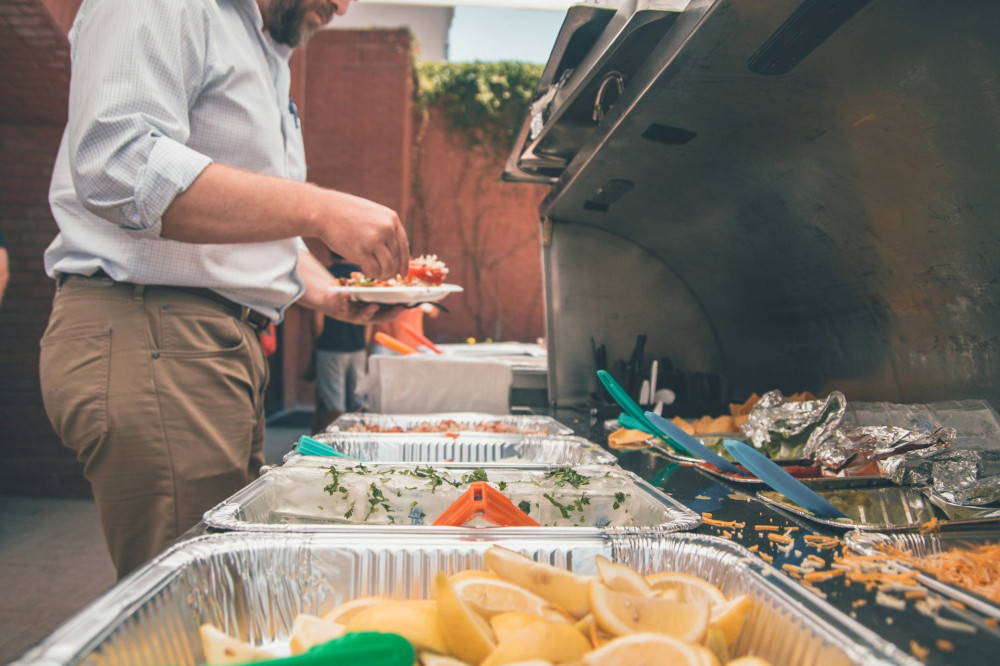
A great company lunch gives people options. Instead of serving one set meal, consider a buffet or build-your-own concept that allows everyone to customize their plate. For example:
- A fresh salad bar with grains, proteins, and plenty of toppings.
- A main dish station offering both meat and vegetarian versions.
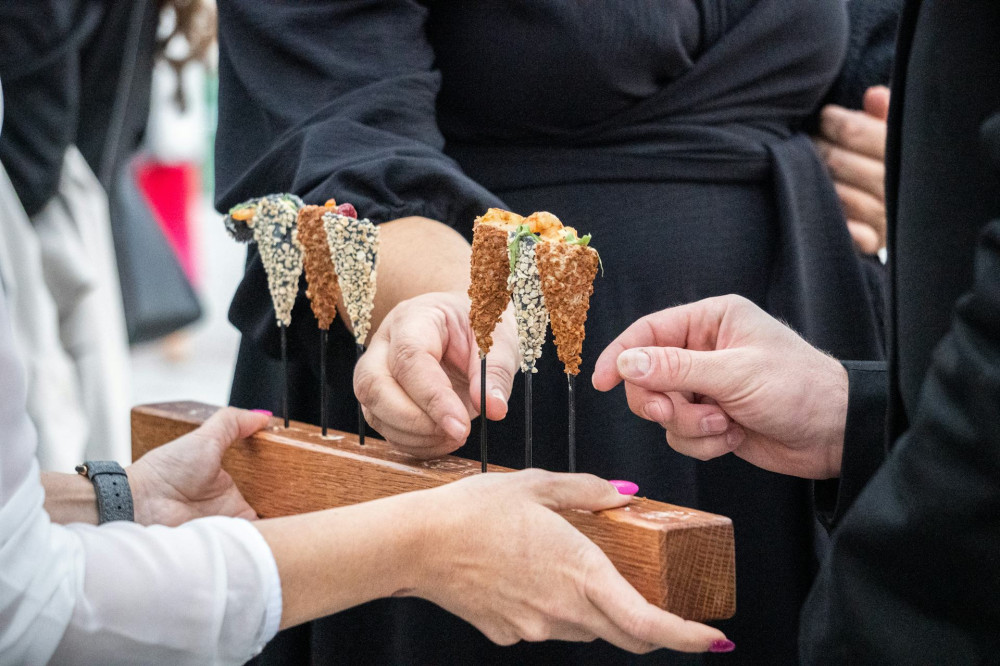
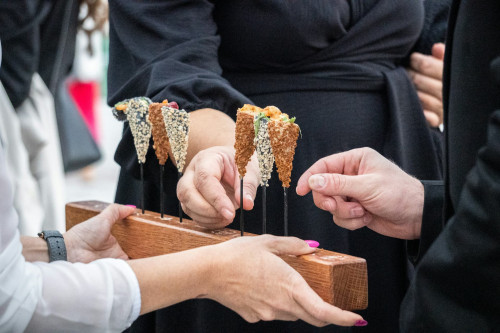
- Small bites or tapas-style options so people can sample different flavors.
- A selection of breads, spreads, and sides to round out the meal.
When employees can choose what suits them best, they feel more included—and no one leaves hungry.
Focus on Atmosphere, Not Just Food
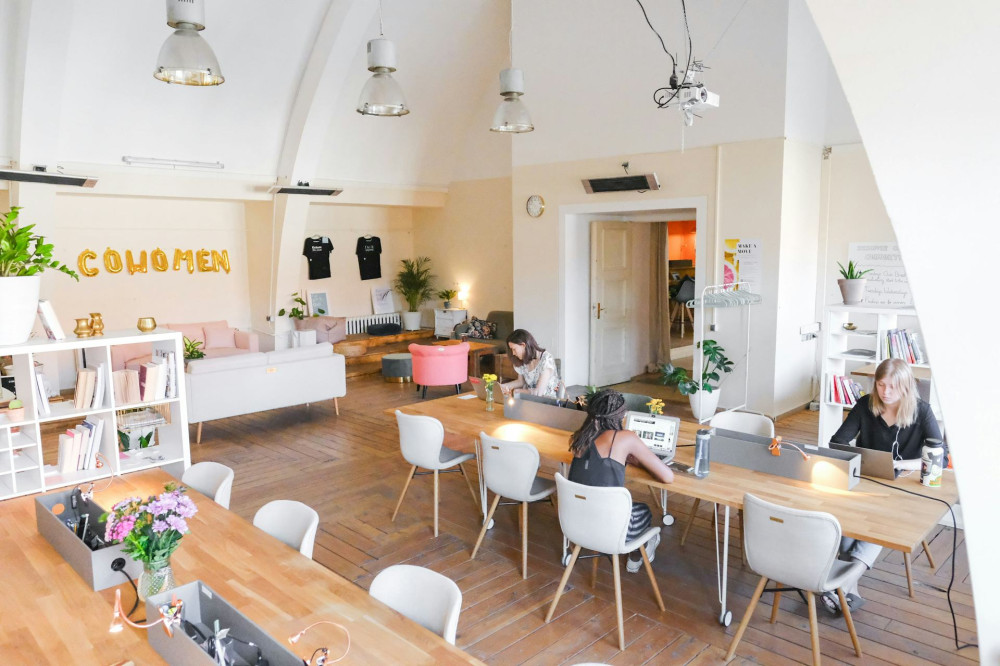
Even the best food won’t make an impact if the atmosphere feels stiff or exclusive. A company lunch is an opportunity to build relationships across departments and levels. Think about how to create a relaxed, welcoming environment.
- Mix up seating so people meet colleagues they don’t usually work with.
- Encourage conversation beyond work topics—it’s a break, not a meeting.
- Add light icebreakers or conversation starters, especially if there are new team members.
A positive atmosphere turns lunch into a shared experience rather than an obligation.
Respect Differences
Food is deeply personal, tied to culture, values, and identity. That’s why it’s important to approach differences with respect and curiosity. If someone chooses not to eat certain foods, let that be perfectly normal—avoid comments like “you’re missing out” or “just try a little.”
As the organizer, you can also make a big difference by labeling dishes clearly. Indicate ingredients and allergens so everyone can make safe, comfortable choices. It’s a simple gesture that communicates care and inclusivity.
Make It Sustainable and Meaningful
More U.S. companies are incorporating sustainability into their workplace meals. Choosing local ingredients, reducing food waste, or offering more plant-based dishes sends a positive message about responsibility and environmental awareness. It can also inspire employees to make greener choices in their own lives.
You might also consider giving the lunch a theme—like “Taste of the Seasons” or “Around the World.” A theme adds a fun twist and gives people something to talk about at the table.
Gather Feedback and Improve
Even the most successful company lunch can be improved. After the event, ask employees what they thought about the food, setup, and overall experience. It doesn’t have to be formal—a quick chat or a short online poll can provide valuable insights.
When employees see that their feedback matters, engagement grows, and each lunch becomes better than the last.
Læs også:



A Shared Experience That Builds Connection
In the end, a company lunch is about more than food. It’s a chance to celebrate teamwork, show appreciation, and strengthen the bonds that make a workplace thrive. With thoughtful planning, respect for diversity, and a focus on inclusion, your company lunch can become a highlight of the workweek—where everyone feels welcome, valued, and part of the team.
Læs også: