What Does Your Takeout Packaging Say About You? A Look at Our Modern Convenience

What Does Your Takeout Packaging Say About You? A Look at Our Modern Convenience
Cardboard, plastic, aluminum, or compostable fiber – takeout packaging comes in every shape and size. But have you ever stopped to think about what it says about you as a consumer? In an age where dinner can be ordered with a few taps on a phone, packaging has become more than just a container. It’s a reflection of our habits, our values, and the trade-offs we make between convenience and conscience.
The Age of Convenience
Takeout has become a staple of American life. We grab burritos between meetings, order Thai on a weeknight, and rely on delivery apps to bring us comfort food when we’re too tired to cook. It’s not just about the food—it’s about time, or rather, the lack of it. Packaging is designed to make life easier: stackable, portable, disposable.
But that same ease is also what makes it problematic. Every time we choose convenience, we often choose single-use waste. It’s a reflection of a culture that prizes speed and flexibility over sustainability. The packaging that keeps our fries hot and our smoothies cold also tells a story about our priorities.
Læs også:
Materials as a Mirror of Values
The type of packaging a restaurant uses—and that we accept—says a lot about both sides of the counter.
- Plastic containers are durable and leak-proof, perfect for soups and sauces. But they also carry the stigma of pollution and permanence. Choosing plastic often signals practicality over principle.
- Paper and cardboard have become the go-to for eco-conscious brands. They suggest care and responsibility, even if they’re not always as recyclable as they appear.
- Compostable materials like bamboo, sugarcane, or cornstarch are the new status symbols of sustainability. They show that both restaurant and customer are tuned into environmental trends—and willing to pay a little more for them.
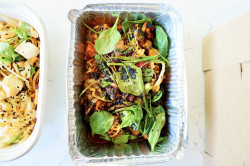
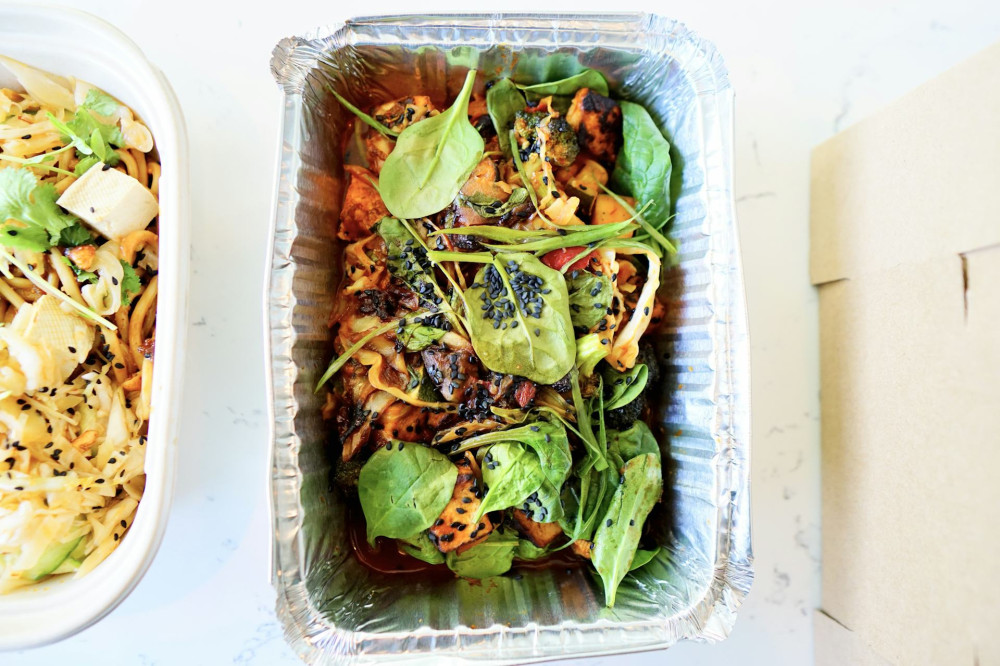
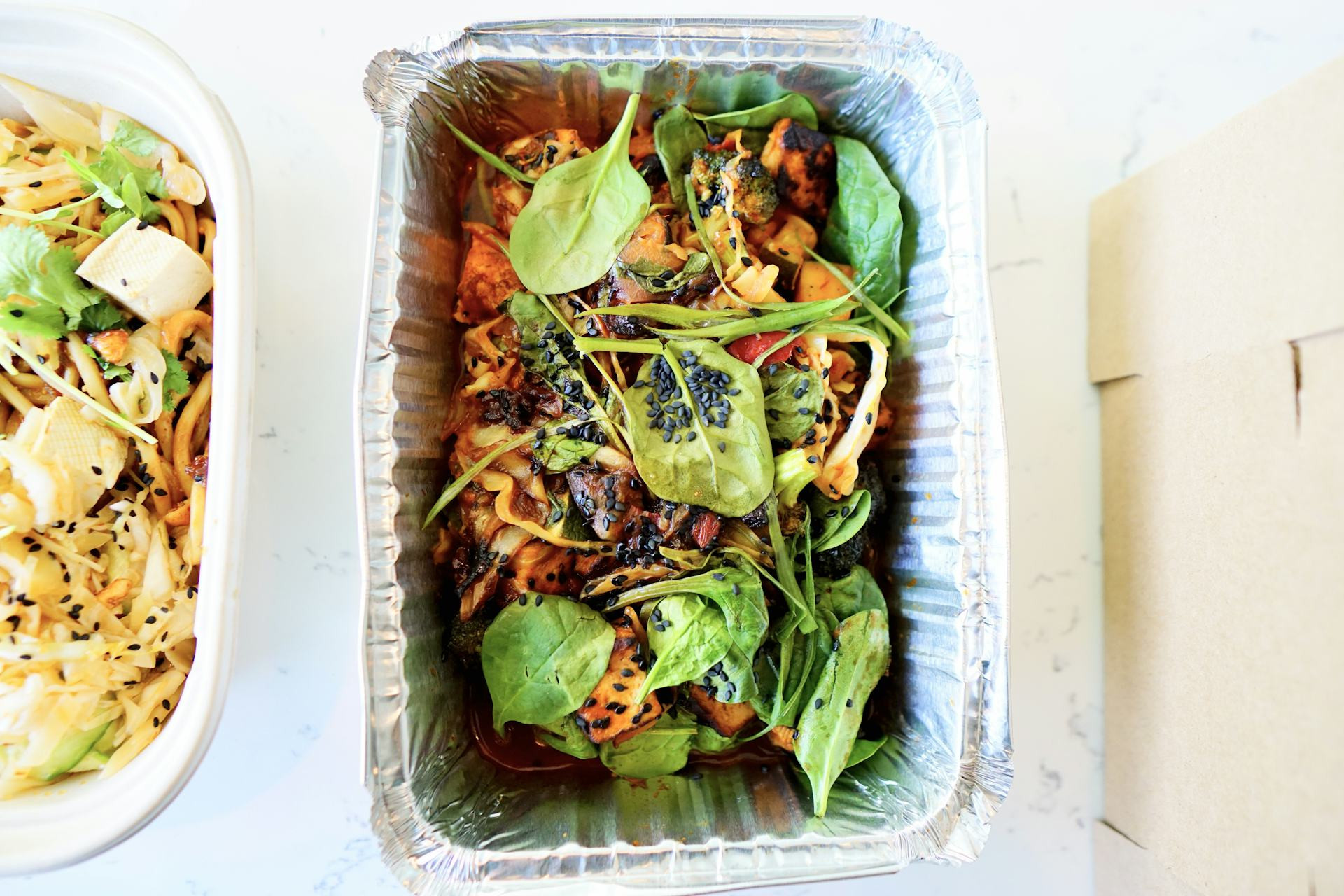
- Aluminum trays remain popular for hot dishes, but they’ve lost their shine in the age of green marketing. They’re efficient, but not exactly Instagram-friendly.
When we choose where to order from, we’re not just picking a meal—we’re aligning ourselves with a message about who we are and what we value.
The Psychology of Packaging
There’s also a subtle psychology at play. Packaging doesn’t just protect food; it shapes our perception of it. A clear lid that reveals colorful ingredients can make a meal feel fresher. A heavy cardboard box can suggest craftsmanship and quality. Even the sound of a lid snapping open can trigger anticipation.
Studies in consumer behavior show that we often associate sustainable packaging with healthier food—even when the contents are identical. A salad in a brown paper bowl simply feels more wholesome than the same salad in plastic. Our brains equate “green” materials with “good” choices.
The Environmental Balancing Act
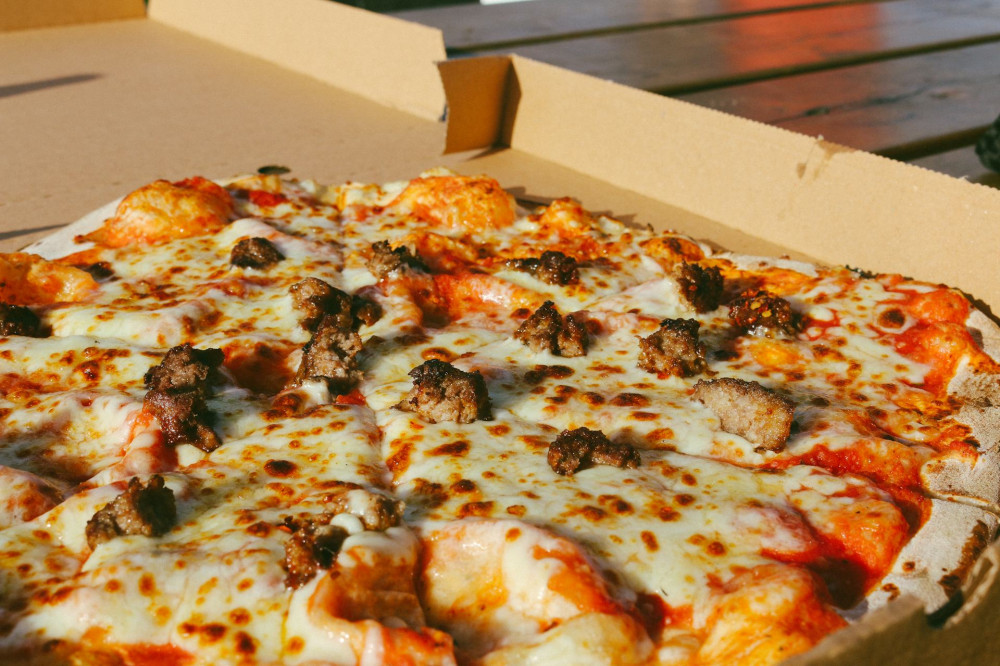
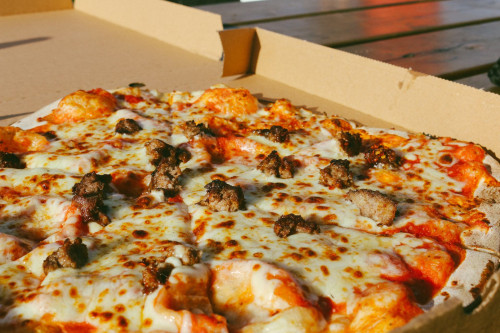
Many restaurants across the U.S. are trying to reduce their environmental footprint, switching to recyclable or compostable materials. But the challenge doesn’t end there. Recycling only works if consumers sort correctly, and compostable packaging often requires industrial facilities that aren’t available everywhere. A greasy pizza box tossed in the wrong bin can undo good intentions.
Some cities and companies are experimenting with reusable container programs, where customers can return packaging for cleaning and reuse. It’s a promising idea—but it requires a shift in habits. And habits, especially those built on convenience, are hard to change.
A Reflection of Our Times
Takeout packaging is more than a practical necessity—it’s a mirror of our modern lifestyle. It reveals how we balance our desire to live sustainably with our need for comfort and speed. It exposes our compromises, our aspirations, and our blind spots.
Maybe that’s why packaging sparks such strong feelings. It reminds us that even small choices—like which box our dinner comes in—are part of a bigger picture. A picture of a society still searching for balance between ease and responsibility.
The Future of Takeout: Less Waste, More Thought
The future of takeout doesn’t have to mean giving up convenience. It might mean reimagining it. Innovations like deposit-return systems, edible containers, and circular packaging models are already emerging. Perhaps one day, packaging will be seen not as waste, but as part of the dining experience—an expression of care and creativity.
Until then, the next time you order takeout, take a moment to look at the box in your hands. What does your takeout packaging really say about you?
Læs også: