Learn to Speak the Language of Wine: Simple Words for Great Wine Experiences

Learn to Speak the Language of Wine: Simple Words for Great Wine Experiences
Understanding the language of wine isn’t about memorizing fancy terms or knowing every vineyard in France. It’s about finding the words to describe what you taste and trusting your own senses. With just a few basic concepts, you can quickly become more confident in expressing what you like—and why. Here’s a simple guide to help you enjoy what’s in your glass even more.
See, Smell, and Taste – The Three Steps of Wine
When you taste wine, you’re using several senses at once. Taking a moment to look, smell, and taste makes the experience richer and more rewarding.
- See: Notice the color and clarity. White wines can range from pale straw to deep gold, while red wines can be anything from bright ruby to dark purple. The color can hint at the wine’s age and style—young wines are often lighter, while older ones deepen in tone.
- Smell: Gently swirl the glass to release the aromas. Try to identify what you sense—fruit, flowers, spices, maybe something toasty or earthy? There are no wrong answers; it’s about what you perceive.
- Taste: Take a small sip and let the wine move around your mouth. Pay attention to how it feels—is it crisp, smooth, dry, or full-bodied? The taste often confirms what you smelled, but it can also surprise you.
Key Words to Know
The world of wine can sound like its own language, but many of the most common terms describe simple sensations.
- Dry means the wine doesn’t taste sweet. Most red wines and many white wines are dry.
- Sweetness isn’t just about sugar—it’s also about fruitiness. A wine can seem sweet even if it’s technically dry.
- Acidity gives wine its freshness and brightness. White wines usually have more acidity than reds.
- Tannin is what gives red wine structure and that slightly dry feeling in your mouth—like when you bite into an unripe banana.
- Body describes how heavy or full the wine feels. A light-bodied wine feels like skim milk, while a full-bodied one feels more like cream.
- Finish (or aftertaste) is the flavor that lingers after you swallow. The longer the finish, the more complex the wine often feels.
Once you know these words, it becomes easier to explain what you enjoy—and to find more wines that match your taste.
Læs også:
Describe Wine in Your Own Words
You don’t need to use big words like “minerality” or “terroir” to talk about wine. Start with what’s familiar: “It smells like apple,” “It tastes fresh,” “It feels soft.” The more you practice, the better you’ll get at describing the differences between wines.
A great tip is to jot down short notes when you taste. Write about the color, aroma, flavor, and your overall impression. Over time, you’ll notice patterns—maybe you love wines with bright acidity, or you prefer those with soft tannins and ripe fruit.
Wine and Food – When Flavors Meet
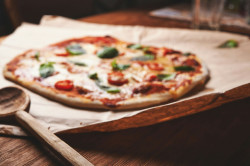
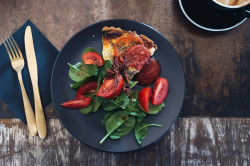
Pairing wine and food is all about balance. A crisp white wine can brighten a dish with fish or vegetables, while a bold red pairs beautifully with steak or hearty pasta. As a general rule:
- Light wine with light food, full-bodied wine with rich food.
- Acidity in wine matches acidity in food—think of a zesty white with lemony dishes or tomato-based sauces.
- Sweet wine can be wonderful with spicy or salty food, as the sweetness softens the heat or saltiness.
But most importantly: experiment. Tasting is an experience, not a test.
Make Wine Part of Everyday Life
Speaking the language of wine isn’t about impressing people at dinner parties. It’s about getting more enjoyment from every bottle—even the one you open on a Tuesday night. When you start noticing aroma, flavor, and balance, even a simple wine becomes an experience.
Invite friends for a small tasting and compare notes. It’s fun, social, and you’ll quickly find that talking about wine becomes second nature.
The Language of Wine Is Your Own
There’s no answer key when it comes to wine. The most important thing is to stay curious and open. The more you taste, the better you’ll understand your own preferences. And once you can put them into words, choosing wine that truly fits your taste becomes easy.
Learning the language of wine isn’t about memorization—it’s about listening to your senses. And that’s exactly where great wine experiences begin.
Læs også: