From Waste to Taste: Turning Food Scraps into a Gourmet Trend

From Waste to Taste: Turning Food Scraps into a Gourmet Trend
Not long ago, food scraps were something most Americans tossed into the trash with a twinge of guilt. Today, they’re becoming the centerpiece of a growing culinary movement that blends sustainability with creativity. From Michelin-starred restaurants in New York to farm-to-table cafés in California, chefs are transforming leftovers and imperfect produce into gourmet experiences. Food waste is no longer just a problem—it’s a source of inspiration.
From Necessity to Innovation
Food waste has long been a global issue. According to the U.S. Department of Agriculture, Americans waste roughly 30–40% of the food supply each year. But as awareness of climate change and resource scarcity grows, both consumers and chefs are rethinking what “waste” really means.
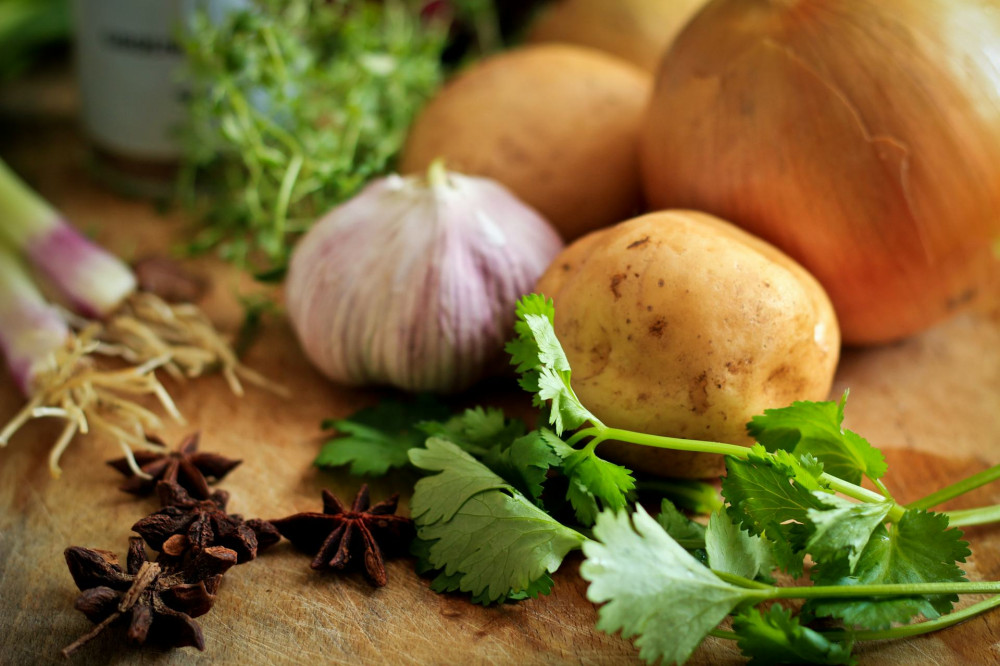
For many in the culinary world, it’s not just about saving money or reducing waste—it’s about pushing creative boundaries. How can a chef use every part of a vegetable, from root to leaf? How can yesterday’s bread or a “too small” fish become the star of a dish? These questions are driving a new wave of gastronomic innovation.
Fine Dining Leads the Way
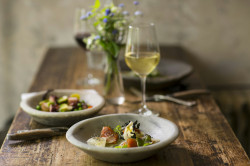
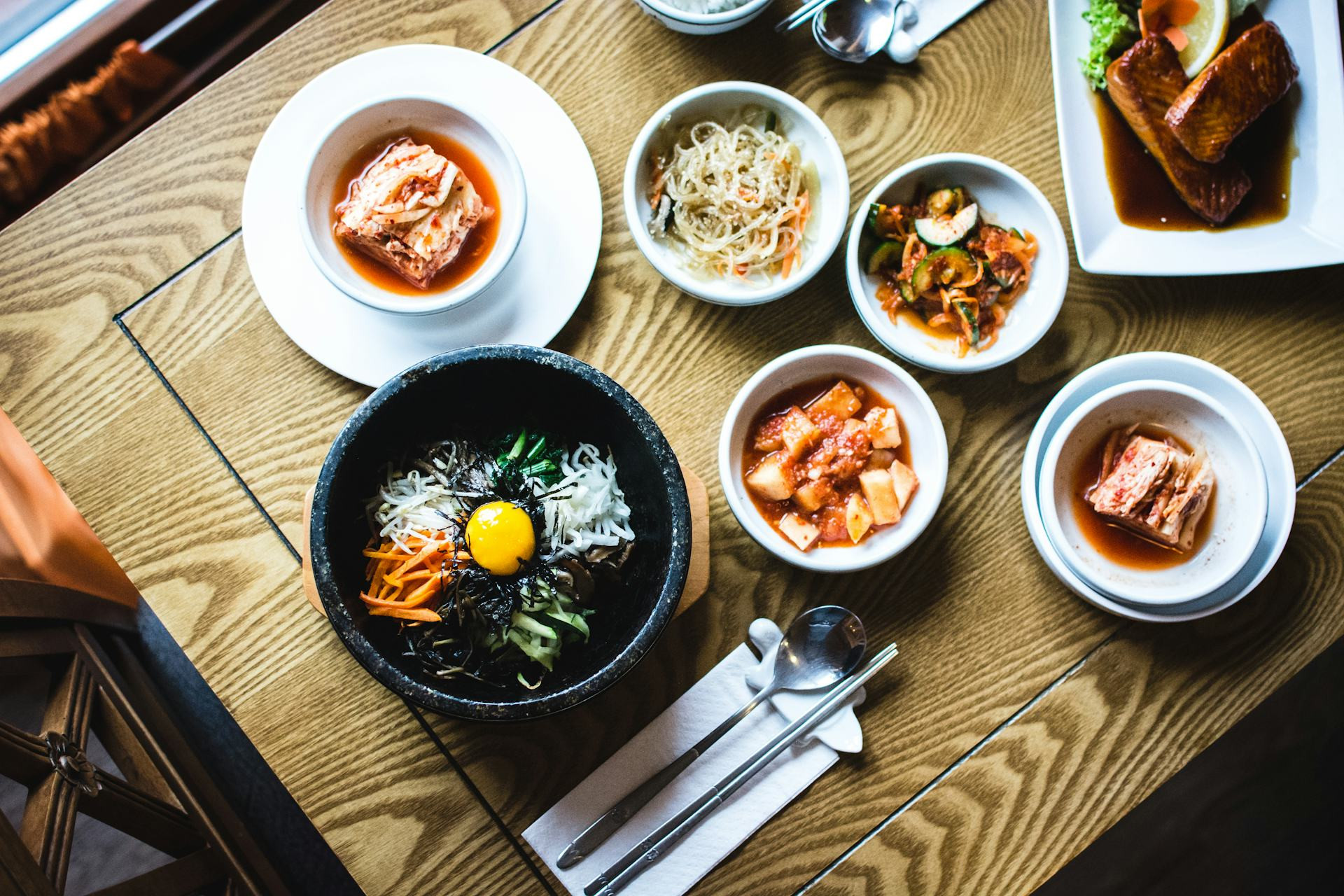
Across the country, high-end restaurants are embracing the challenge. In Chicago, some chefs design entire tasting menus around surplus ingredients from local farms. In Los Angeles, others collaborate with food rescue organizations to turn “ugly” produce into elegant plates. The goal isn’t to serve “trash food,” but to show respect for ingredients by using them fully.
When a chef can turn carrot tops into pesto or transform bruised apples into a delicate dessert, sustainability becomes part of the dining experience—not a compromise. It’s a celebration of resourcefulness and flavor.
Home Kitchens Join the Movement
The zero-waste trend isn’t limited to professional kitchens. Home cooks across the U.S. are joining in, inspired by social media challenges, cookbooks, and apps like Too Good To Go and Flashfood, which help consumers rescue surplus food from stores and restaurants.
Instead of seeing a few wilted greens and leftover rice as scraps, more people are seeing possibilities: a stir-fry, a frittata, or a hearty soup. It’s a shift in mindset—from throwing away to creating anew.
Flavor Meets Conscience
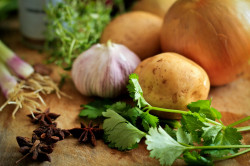
Cooking sustainably isn’t just good for the planet—it’s good for the palate. Using every part of an ingredient often brings out deeper, more complex flavors. Chicken skin can become crispy garnish, herb stems can enrich stocks, and stale bread can be reborn as crunchy croutons or bread pudding.
For diners, knowing that their meal helps reduce waste adds an extra layer of satisfaction. It’s not just about taste—it’s about purpose. That sense of meaning is part of what makes this movement more than a passing trend.
Læs også:
The Future Is Circular
The fight against food waste points toward a broader transformation in how we think about food. Instead of a linear system—production, consumption, disposal—we’re moving toward a circular one, where every element has value.
Restaurants are experimenting with fermentation, dehydration, and preservation to extend the life of ingredients. Others are working closely with local farmers to plan menus around seasonal availability and surplus crops. It’s a new kind of culinary responsibility, where ethics, aesthetics, and flavor come together.
From Waste to Taste—A New Way to Eat
Turning food scraps into gourmet dishes isn’t just about saving leftovers—it’s about redefining what food is worth. Every ingredient has a story, and when we use it fully, we honor both nature and craftsmanship.
Perhaps the greatest luxury today is eating with intention—and discovering that sustainability can be the most delicious trend of all.
Læs også: